
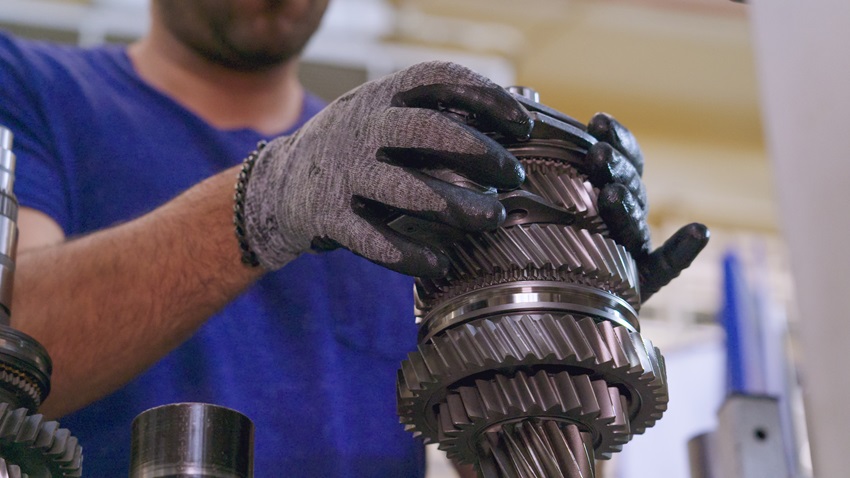
Most drivers change gear dozens of times during a journey. But for a Transit van driver, that number of gear changes can quickly multiply. To maximise ‘uptime’, a clever solution has been devised using 3D-printed tools to improve reliability.
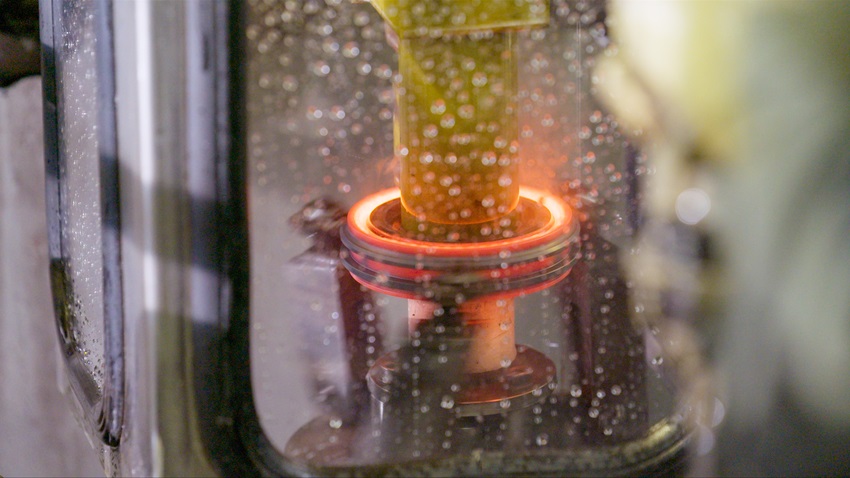
Transit gearboxes are equipped with a synchronisation sleeve, a component in the gearbox that ensures smooth and reliable shifting. During production, this sleeve undergoes a hardening process using induction tools, with temperatures reaching 820 degrees Celsius.
3D-printed tools
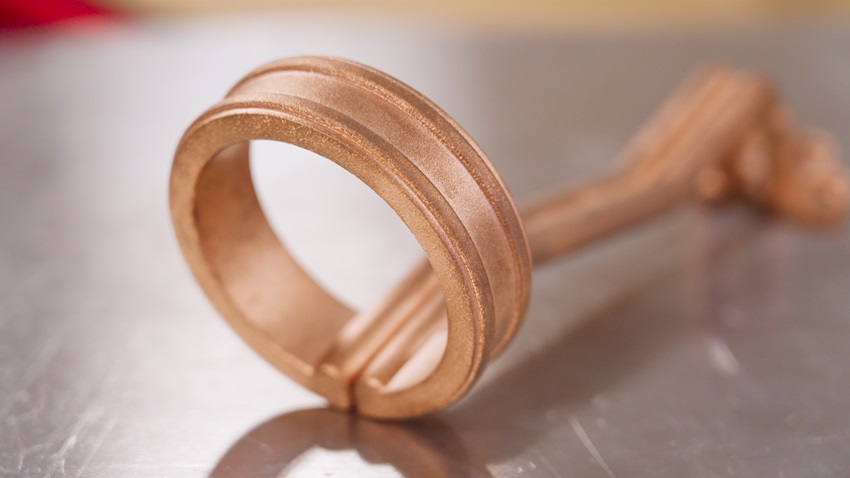
Ford Pro engineers designed a special 3D-printed copper induction tool that distributes heat better. It results in a stronger gearbox part. In addition, the use of 3D printing reduces waste, while the use of solar energy for the process reduces emissions.
Copper in 3D printing process
"This was a unique challenge because copper is not usually used in the 3D printing process. But the team was determined to find a way to make it work," says Stefan Zimmermann, production and plant engineering manager. "We saw a clear benefit for our customers that will make a real difference for long-term, reliable use of the Transit in their daily operations."
Award
Ford Pro first used this innovative tool in the production of Transit delivery vans last year. The team's ingenuity was recognised with a Henry Ford Technology Award 2023 for production.
Source: Ford
Read also: Ford supports Europe’s first locally built electric Ford with a 3D printing centre










