
Wild birds regularly cause crop damage. They destroy roofs and transmit some 60 diseases, including bird flu. With innovative laser technology, birds can be kept away from agricultural areas in an animal-friendly 24/7 manner. This prevents a lot of misery.
Wageningen University & Research (WUR) has published a study. Subject of the research: preventing the spread of bird flu by wild birds. An automatic laser was used in the process to keep birds away from a poultry farm. The results of the study are positive. A 99.7% reduction in wild birds was observed. In other words, the use of laser light is an important preventive measure against the spread of bird flu virus.
Wild ducks
Wageningen Bioveterinary Research (WBVR) is part of Wageningen University. WBVR previously conducted research into the spread of the bird flu virus by mallard ducks. These visited the outlet of a laying poultry farm between sunset and sunrise. This happened mainly in the period November to February. This is a high-risk period for bird flu due to wild bird migration. Regular presence of wild waterfowl in the outlet increases the risk of exposure of chickens to the bird flu virus. Indeed, wild waterfowl are the so-called natural reservoir of bird flu virus.
Laser technology
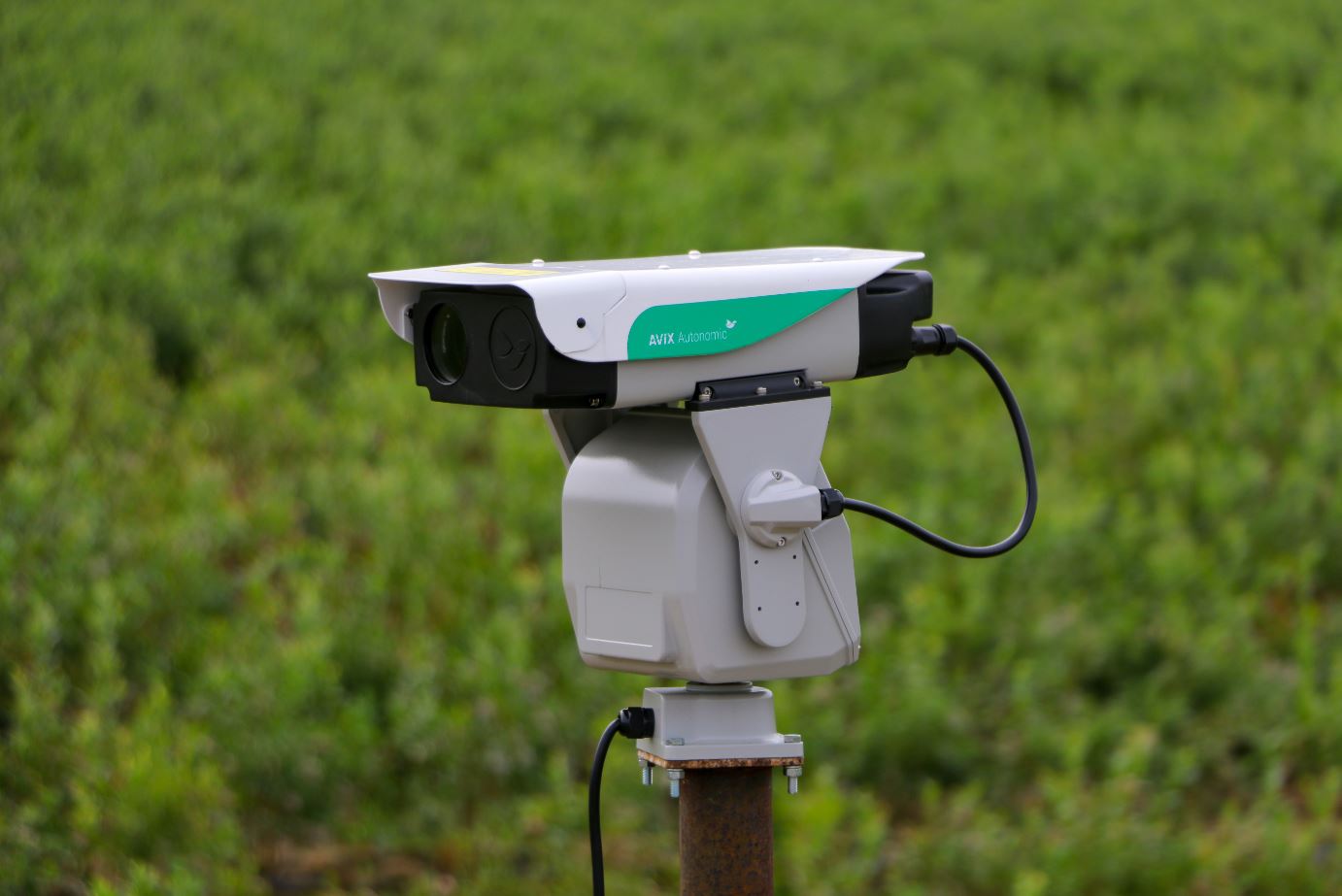
WBVR collaborated with Delft-based company Bird Control Group, producer of automatic laser bird chasers. These laser systems are used in more than 100 countries to prevent bird nuisance at agricultural areas and airports, among others.
Animal-friendly method
How it works. Birds perceive the laser light as physical danger. By moving the moving laser beam towards them, the birds are startled and fly away. This makes laser beams an animal-friendly and effective method of bird scaring.
Laser at a height of six metres
The researchers installed a laser on a six-metre-high mast during the winter period 2019-2020. This was done in the part of the run, which was directly connected to the barn. Eight wide-screen video cameras on four-metre-high poles were also installed in that section. For one month, visits of wild (water) birds to the study enclosure were recorded. The following month, the researchers repeated the trial, this time with the laser in use.
No more crop damage
Armin Elbers, working as an epidemiologist at WBVR, and project leader of the study: "Without the use of the laser, several mallard ducks came to visit in the yard between sunset and sunrise on almost all the days studied." With use of the laser, visitation by mallards was almost completely prevented (99.7%). In addition, visits by other wild birds to the haul-out between sunrise and 10:00 am were very much reduced (> 96%). "Without using the laser, large numbers of geese visited the surrounding pastures during the day. With the laser, geese were no longer present in the shaded area. Feeding damage by geese in the pastures had become negligible," Elbers said.
Future prospect
According to the researchers, a laser can be helpful as a preventive measure to keep bird flu away.
Bird scaring lasers have previously been used in another trial. Daniel Hoeberichts, owner of Orchard Eggs deploys the laser technology to protect his poultry. "Our chickens run around in a 20-hectare fruit orchard. We want to do everything we can to protect them from infections. As soon as we heard about the AVIX Autonomic Lasers, this immediately seemed an ideal addition to the biosecurity measures we already had in place."
Image: Team Bird Control Group
Author: Evi Husson









