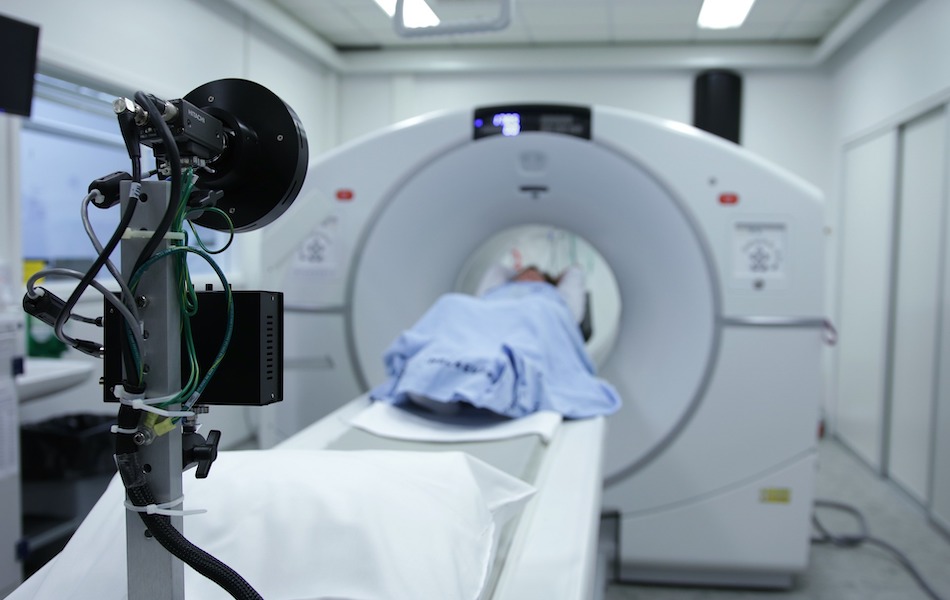

The European Commission approves the use of a smart artificial intelligence (AI)-based tool that can assess X-rays for abnormalities without a doctor's intervention. The tool in question is Chestlink, developed by Lithuanian company Oxipit. The system complies with General Data Protection Regulation (AVG), the European privacy rules.
Chestlink is a system that uses AI to autonomously analyse X-rays. In doing so, the software looks for abnormalities. Are these not found? Then the patient receives a report of the scan without further intervention by a doctor. Does the software find any abnormalities or is it unsure of its opinion? Then Chestlink refers the patient to a human doctor for a second assessment.
99% accuracy
Gediminas Peksys, CEO of Oxipit, points to Chestlink's reliability in a press release. According to its developer, the system offers 99% accuracy. Peksys reports that this accuracy has so far resulted in no clinically relevant errors in the pilot phase.
Chestlink features a dashboard, on which real-time updates are visible to doctors. Daily summaries of all cases on which the system has autonomously reported are also available here. This page also gives doctors insight into the steps the application went through in making specific decisions.
Supervision during initial implementation
Prior to the implementation of Chestlink, a so-called 'retrospective imaging audit' is carried out. This analysis identifies which processes within a medical institution can be successfully automated.
A supervised phase then enters, during which all ChestLink reports are reviewed. This review is performed by both Oxipit medical staff and radiologists from the medical institution deploying Chestlink. Reports prepared by Chestlink are placed alongside reports from radiologists during this analysis. Any abnormalities are investigated by Oxipit's team and a team from the medical institution. After these initial stages are completed, Chestlink is autonomously deployable.
CE mark
Oxipit reported early this month that Chestlink has received CE marking. "The CE mark paves the way for clinical implementations of Chestlink in 32 European countries. The first full autonomous operation of Chestlink in a clinical environment is expected to take place in early 2023.
Prior to the granting of the CE mark, Chestlink was tested for a long time. For instance, several pilots were carried out with the system for over a year. This involved assessing a total of 500,000 real-life X-ray images.
Shortage of radiologists
Chestlink can address several challenges in healthcare. For instance, there is a shortage of radiologists worldwide, while training radiologists quickly takes eight years. In addition, depending on the institution, up to 80% of radiographs in practice show no abnormalities.
AI can speed up this process by taking a lot of work off radiologists' hands. For example, Oxipit reports that up to 40% of the reporting workflow can be automated with Chestlink. The system ensures that they face fewer radiographs without abnormalities. As a result, they can spend more time on radiographs that do need their attention.
Author: Wouter Hoeffnagel









