Drones pose a greater danger to aircraft in the air than birds. That's according to research by Alliance for System Safety from UAS through Research Excellence (ASSURE).
That research shows that collisions between drones cause more structural damage than collisions with birds of the same weight as the drone. A team of researchers from four different universities used computers to simulate collisions. Different sizes of drones of between 1.2 and 3.6 kilograms were used for this purpose. Ordinary passenger and smaller business aircraft were used. Kiran D'Souza, assistant professor of mechanical and aerospace engineering at Ohio, was in charge of some of the research related to aircraft engines. "Even small unmanned systems can cause considerable damage to engines," he said.
Dangerous
The number of reports where there has been a near collision between a drone and an aircraft has increased. The US aviation authority, Federal Aviation Administration (FAA), receives more than 250 reports a month of drones posing a potential threat to aircraft, for example because they fly too close to airports. Research investigators say standards for manufacturing aircraft designed for bird strikes are not adequate to ensure that aircraft can withstand collisions with drones. In the future, the FAA hopes drone builders will become more involved in thinking about technologies to ensure drones detect and avoid aircraft in time.
Most damage at take-off
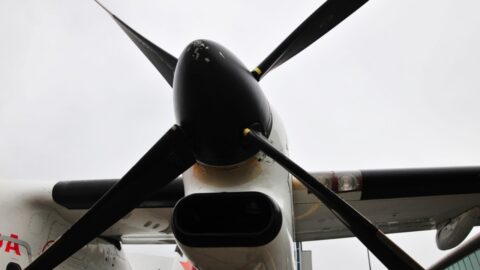
Drones, unlike birds of course, which are largely made of water, are made of robust material. The research team's tests showed that the hard parts of drones, such as the motor and battery, cause the most damage to aircraft and their engines. The simulation shows that most damage is done during take-off when the engine is at its highest speed. In addition, the degree of damage depends on where in the engine the impact takes place.
More drones
The researchers therefore conclude that drone products should apply so-called sighting and dodging or geo-fencing capabilities to avoid possible collisions with aircraft. This is important as more and more drones are in circulation. For example, the FAA estimates that 2.3 million drones will be bought for recreational use this year and that this number will only increase. Many other drones are used for commercial purposes such as news photography and inspection of pipelines and mobile towers. More studies will be conducted in the future, including engine manufacturers and helicopters.
By: Kelly Bakker
Source: ASSURE/Power and Control