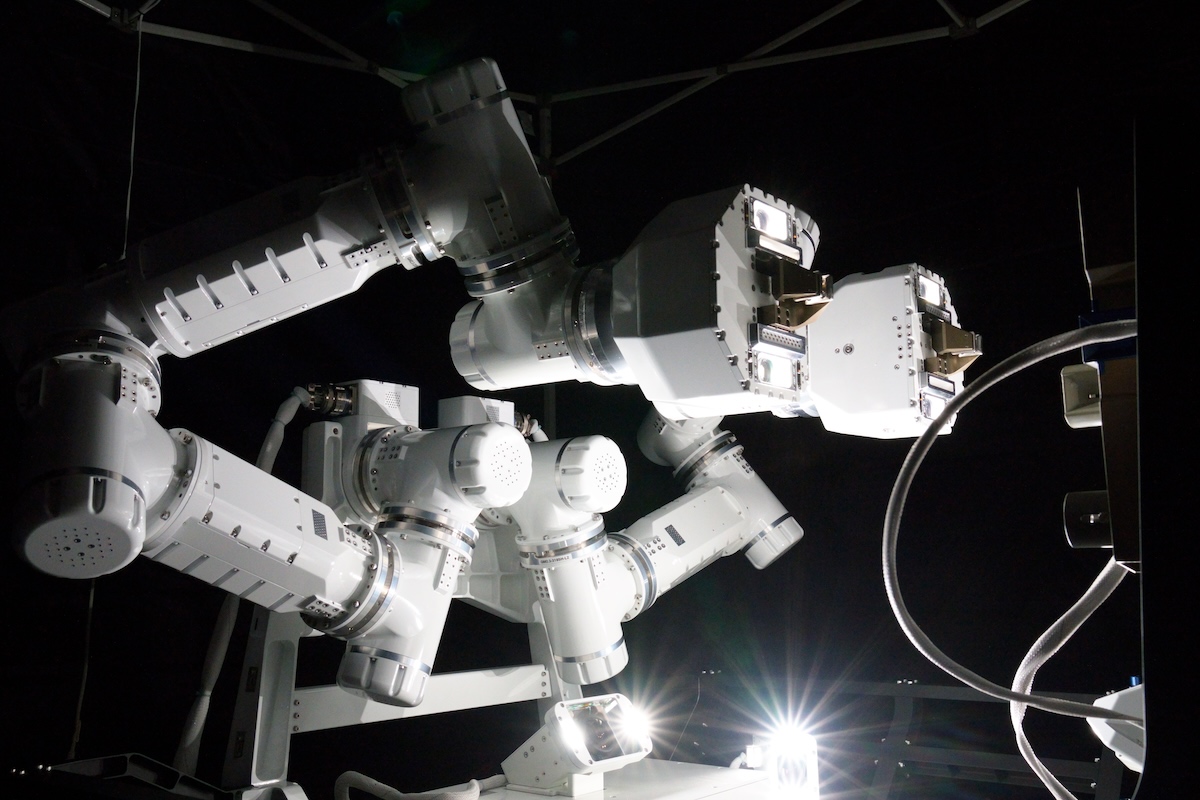

A 1.5-metre-long autonomous robotic arm has been launched to the International Space Station (ISS). The robot was transported to the space station on a Falcon 9 rocket from US-based SpaceX (NG-20). Maker GITAI USA will perform a demonstration in space with the robotic arm, which is aimed at satellite maintenance.
The launch of space flight NG-20 was actually scheduled for 29 January, but was postponed one day at the last minute. This is the 20th resupply mission for the ISS carried out by US-based Northrup Grumman. The company got its hands on this contract through its acquisition of Orbital-ATK.
Curtain fallen for Antares rockets
Until now, Northrup Grumman has used Antares 200 series rockets in these missions. The first stage of these rockets was produced by Ukrainian companies Yuzhnoye and Yuzhmash, while Russia's NPO Energomash supplied the booster's RD-181 engines. However, due to supply problems, these boosters were phased out; the last flight of the Antares 230 took place in August 2023.
Now using SpaceX's Cygnus spacecraft for the first time. To make this possible, SpaceX had to make modifications to the Falcon 9 rocket used for this purpose. In view of these modifications, SpaceX delayed the launch by a day.
William Gerstenmaier, vice president of Build and Flight Reliability at SpaceX, explained to the press that part of NG-20's payload could only be loaded at the last minute. To make this possible, an extra 1.2-metre by 1.5-metre door was installed in the company's Falcon rocket. To prevent contamination during loading, SpaceX used a clean room for this purpose.
Maintenance, assembly and manufacturing in space
Part of the cargo carried by NG-20 was therefore a robotic arm from GITAI. This is an autonomous system with two 1.5-metre-long robotic arms, known as S2. GITAI will demonstrate on the ISS how the robotic arm can carry out maintenance, assembly and production in space. The company will attach the robotic arm externally to the ISS via the Nanoracks Bishop Airlock. The company then intends to carry out maintenance and inspection work on satellites, amongst other tasks.
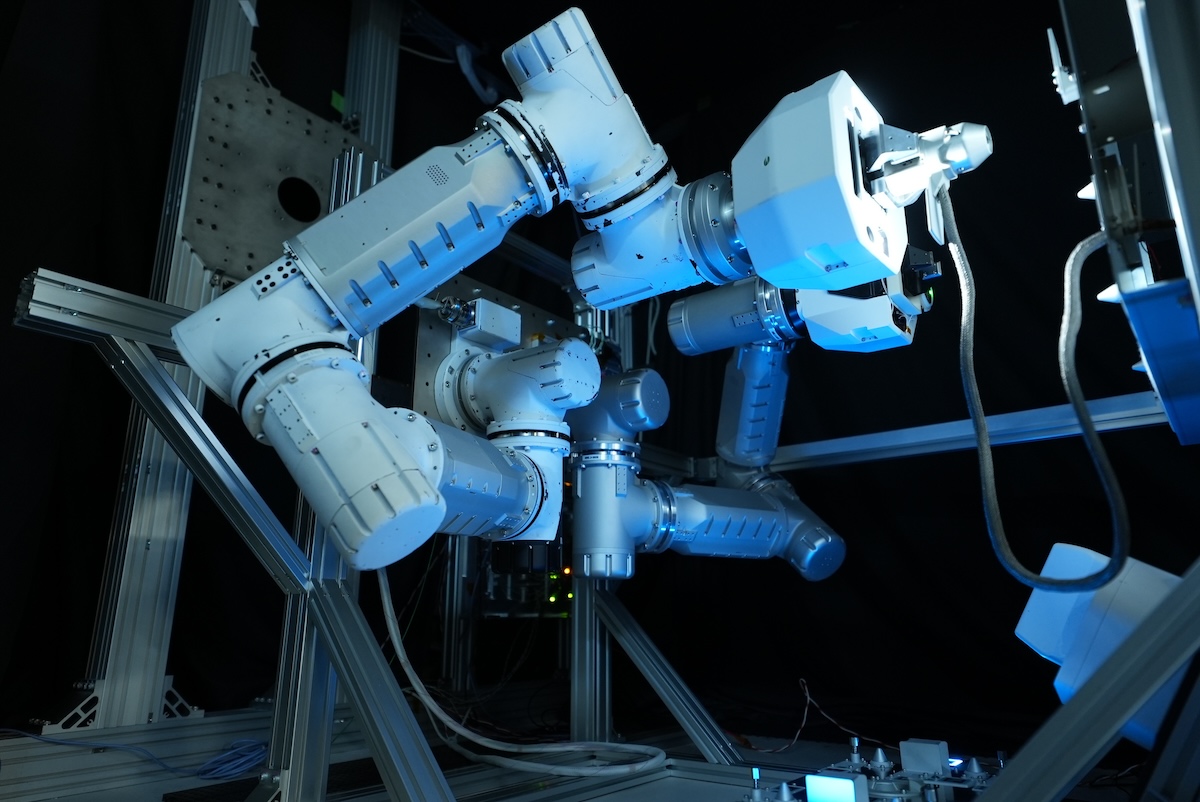
Eventually, GITAI plans to use the robotic arm to perform maintenance on satellites in both low and geostationary orbit. With the demonstration mission it is currently carrying out, GITA aims, among other things, to achieve Technology Readiness Level (TRL) 7. This level is part of a measurement system NASA uses to determine the maturity of technologies. Achieving TRL 7 requires parties to demonstrate a working model or prototype in a space environment. TRL 9 is the highest attainable level within this system and requires a technology to have completed a successful mission.
Second demonstration mission
This is the second demonstration mission carried out by GITAI aboard the ISS. In 2021, the company demonstrated its S1 autonomous robot. It then performed two tasks using the robot: assembling structures and panels for In-Space Assembly (ISA) and working with switches and cabling for Intra-Vehicular Activity (IVA).
Author: Wouter Hoeffnagel
Image: GITAI










