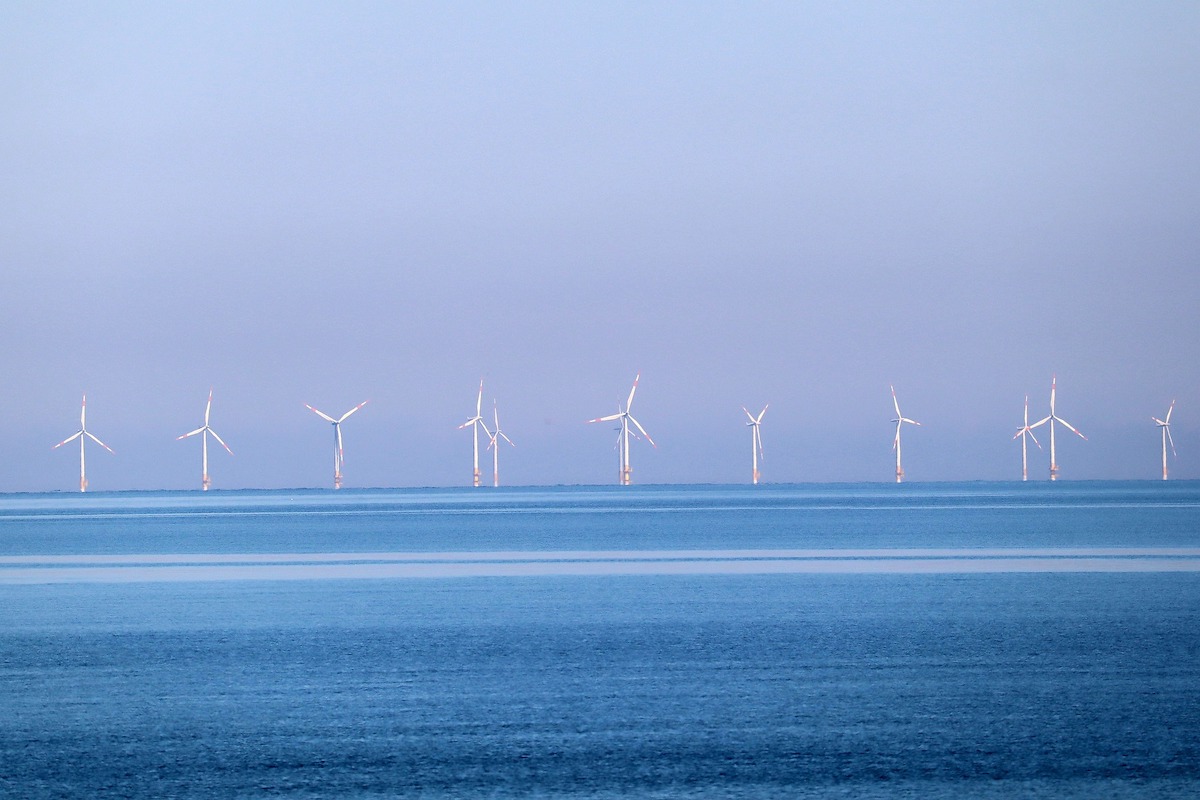

Russia is mapping vital maritime infrastructure of the Netherlands in the North Sea. It conducts activities indicating espionage and preparations for both sabotage and disruptions.
This is what the intelligence services AIVD and MIVD warn in a new report on the war in Ukraine. The report maps the impact of the war between Russia and Ukraine on European security and both global order and stability. Vital maritime infrastructure in the North Sea includes internet cables, gas pipelines and wind farms. Intelligence agencies call this infrastructure vulnerable to sabotage.
How concrete such threats are became clear at a press conference on the report. Jan Swillens, director of the MIVD, pointed to an incident a few months ago. The crew of a Russian ship then allegedly attempted to map the systems behind the Dutch wind energy supply in the North Sea. The coast guard and navy approached the ship and led it away. Swillens reports that this Russian attempt to gather imformation was unsuccessful.
Other sectors also at risk
Physical threats towards other vital sectors are also conceivable, warn the AIVD and MIVD. Particularly as long as such attacks can be carried out covertly. These include our country's drinking water and energy supplies.
"It may be useful for Russia to conduct physical disruption and sabotage
preparation. The MIVD and AIVD inform organisations responsible
for organising and implementing security measures to increase the resilience of
Dutch vital processes," the AIVD and MIVD write in the report.
Russian energy policy
In the report, intelligence agencies also point to Russian 'energy politics'. This involves attempts from Moscow to disrupt the European energy market. This by restricting gas supplies to Europe, increasing the tightness of the European market and raising gas prices. The AIVD and MIVD call energy supplies for Russia 'a means to achieve political objectives'.
"Moscow is pursuing a deliberate strategy to put maximum pressure on Europe through gas dependency. In this way, Moscow hopes to eventually persuade Europe to end support for Ukraine and sanctions against Russia. Moscow sees that its position as an energy power is vulnerable in the longer term. By cutting off energy supplies, Moscow is trying to bring Europe to its knees before the European Union (EU) is able to permanently divest Russia as an energy supplier. The Russian strategy had the effect for the Netherlands that, partly because of this, energy bills and inflation were rising by 2022," the intelligence agencies write.
Cyber operations
Besides sabotage of energy supplies and 'energy politics', intelligence services are also warning of Russian cyber operations. These include digital espionage, sabotage and influence operations against Ukraine and NATO allies. The AIVD and MIVD warn that the pace of Russian cyber operations is high, and many of these attempts have so far not been made public. Also, Ukrainian and Western digital security would have limited the impact of Russian attack attempts.
By far the majority of cyber operations from Russia are aimed at espionage, with the aim of obtaining military, diplomatic and economic information from both Ukraine and NATO allies. Think of finding out the locations of military equipment and personnel. The AIVD and MIVD warn that attackers take a very broad approach when selecting targets. Even Ukrainian organisations that have no direct role in the conduct of the war or political decision-making may be affected.
When it comes specifically to NATO, Russian espionage mainly focuses on military support provided by NATO allies to Ukraine. The Dutch armed forces, ministries and embassies have also been targets of cyber espionage attempts last year, intelligence agencies warn.
Photo: Thomas G. via Pixabay











