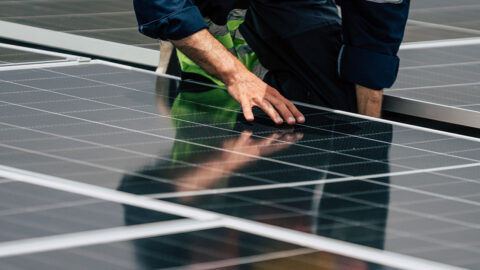
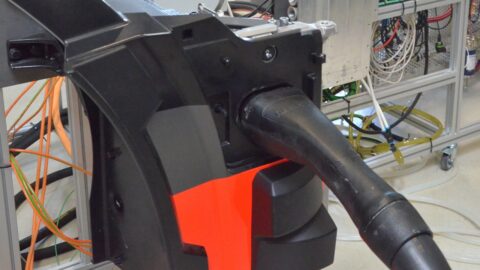
A new subsidy is on the way for investments in production lines for producing electrolysers, batteries and solar panels, and essential components for them: the Manufacturing Industry Climate Neutral Economy Investment Subsidy (IMKE). Very little production of such products currently takes place in the Netherlands, so many products are imported.
The RVO calls a strong manufacturing industry for producing these components domestically important to make the Netherlands climate neutral and less dependent. The production, storage and use of renewable (sustainable) energy sources is an important precondition for a transition to a climate-neutral economy. These include solar panels, batteries and electrolysis plants.
Investment lags behind
However, investment in these three sectors lags behind in the Netherlands, putting pressure on their availability. Final financing decisions are delayed, for example, due to funding shortages and excessive investment risks compared to other countries. The IMKE supports companies in these sectors.
The demand for products that enable renewable generation, conversion or storage is expected to increase further in the future. The Netherlands aims to increase the share of renewable energy in its overall energy mix.
Reduce strategic dependency
By strengthening the sectors, the Dutch government aims, among other things, to prevent problems with the availability of components for the energy transition. For instance, several countries including Germany, France and several countries outside the EU are developing new products in the field of renewable energy. This should prevent delays in achieving a climate-neutral economy. The government also wants to reduce strategic dependence on other countries.
The IMKE therefore supports companies with investments needed to produce (essential components of) electrolysers, batteries and solar panels. The grant is specifically aimed at entrepreneurs who focus on the production of batteries, solar panels and electrolysis plants or essential parts thereof.
Consultation
The new investment grant has been submitted to the market for consultation. Stakeholders have until 3 March 2024 to comment on the draft grant scheme.
Author: Wouter Hoeffnagel
Photo: Ulrike Leone via Pixabay