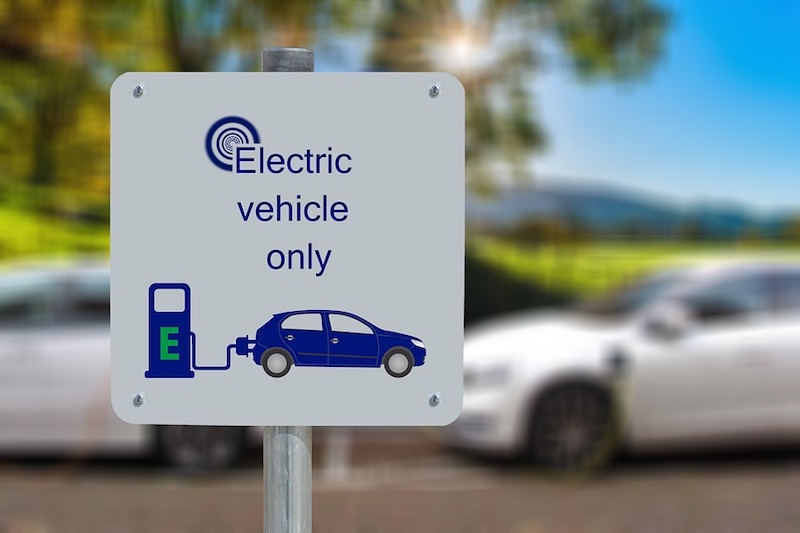

The number of electric cars on the road is growing rapidly. This is according to figures from BOVAG, RAI Association and data centre RDC. As of 1 September, more than 300,000 electric passenger cars were registered in the Netherlands for the first time. Compared to more than 2.5 years ago, the number has almost tripled.
On 1 September 2022, the Dutch car fleet numbered almost 9.2 million passenger cars. 79 per cent of these have a petrol engine, or 7.2 million units. Earlier this year, the number of diesels already dipped below the 1 million mark for the first time since the beginning of this century. On 1 September, it was just under 950,000. This corresponds to over 10 per cent share. The total number of electric passenger cars stood at 303,348 at the beginning of this month. On 1 January 2020, it was less than 108,000. In addition, there are now almost 600,000 cars with a so-called hybrid drive -with or without a plug. That is almost twice as many as more than 2.5 years ago.
More makes and models
More and more new brands and electric models are entering the European market. This can also be seen in the composition of the fleet and the result of large-scale investments in zero emission passenger cars. This development is ongoing, which means that the range of models continues to grow.
Tesla remains leader
At present, around 20 per cent of all electric cars in the Netherlands are Teslas. There were exactly 61,635 of them on 1 September. One in eight (12.5 per cent) is a Volkswagen. Just over 9 per cent are Hyundais and just under 8 per cent are Kias. Audi rounds off the top five with a market share of almost 6 per cent. The Tesla Model 3 is the most popular, accounting for 14 per cent of all EVs, followed by the Kia Niro with just over 6 per cent and the Hyundai Kona with 5.5 per cent. The Volkswagen ID.3 accounts for 5.3 per cent of the market, whilst the Renault Zoe makes up 4.3 per cent.
Targeted EV policy needed after 2025
The growth in the number of electric cars in the Netherlands was largely due to incentive policies. These benefits are being phased out every year. In fact, after 2025, there is currently no policy for EVs at all. As a result, the ingrowth of EVs is expected to level off. At the same time, the government's ambition is for 100 per cent of new sales to be electric by 2030. To keep the climate goals for the mobility sector in sight and to work on a healthy second-hand supply of EVs for the Dutch, targeted EV policy will still be needed after 2025 for both the business and private markets. Decision-making on this is expected in spring 2023. BOVAG and RAI Vereniging, together with the ANWB, Stichting Natuur & Milieu and VNA, have drawn up a car tax plan that will bring the climate goals feasibly and affordably within reach.
Source: Bovag
Image: Image: Pixabay / geralt











