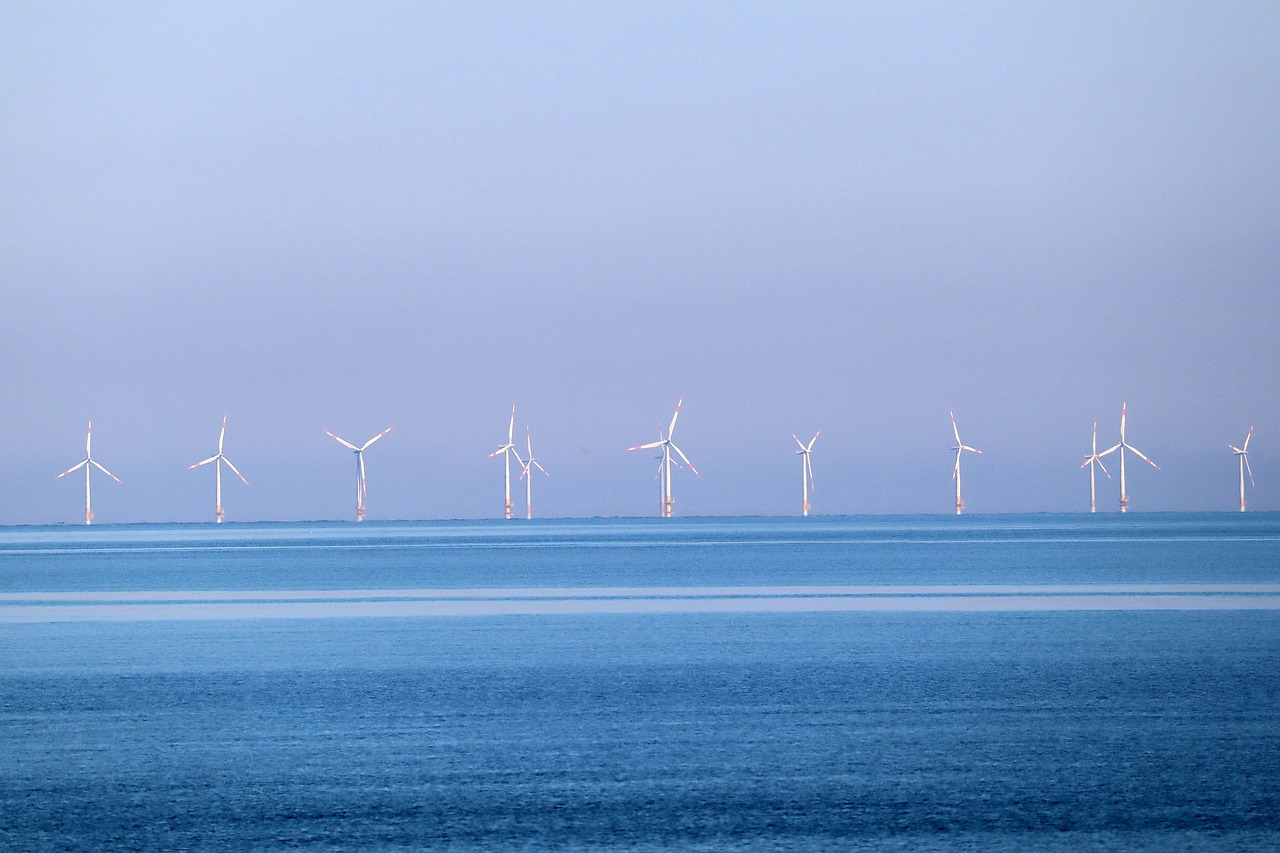

The capacity of wind and solar farms is growing rapidly, figures from the Netherlands Environmental Assessment Agency (PBL) show. Existing parks are expected to generate around 30 TWh annually in 2030, which is 17 more than last year. This makes the parks account for a quarter of total electricity generation. At the same time, the inflow of new projects is at risk of decreasing due to grid congestion, uncertainties around distance standards for wind turbines and stricter rules for solar parks. For further growth after 2030, PBL says it is crucial to think now about maintaining support base and integrating other spatial interests, including housing and nature.
PBL writes this in the Monitor RES 2024, a progress analysis of Regional Energy Strategies (RESs), which PBL conducted for the fifth time on behalf of the Ministry of Climate and Green Growth. Based on the figures, PBL concludes that the Netherlands is on track to achieve the goal of producing 35 TWh of electricity using onshore wind and solar farms, as set out in the Climate Agreement. It expects production to reach 35 to 45 TWh.
Target of 55 TWh not achievable
Netherlands also has as a target the production of 55 TWh of electricity. This is the 'total supply' of regions, a target set in 2022 by then Climate and Energy Minister Rob Jetten. PBL calls it "very unlikely" to meet this target. Not even if the 4 TWh of solar panels on homes are included.
A climate-neutral energy system requires a significant increase in emission-free electricity. Although RESs focus on 2030, PBL points out that electrification remains essential for the energy transition beyond that time. The National Energy System Plan (NPE) predicts that electricity generation will have to grow by three to five times until 2050, which also calls for the production of more renewable energy on land.
PBL calls it important to balance this growth with other spatial claims, such as housing and nature. This growth also requires an integrated approach to the energy system, which is linked to the other spatial challenges mentioned.
Different perspectives on equity
The energy transition brings distributional issues. These necessitate naming and analysing different perspectives on equity. For instance, professionals in regional energy transition point to tensions between equity and freedom. In many cases, this involves the distribution of benefits and burdens.
For instance, the Climate Accord's aim to put at least half of energy projects in local hands may lead to unfair outcomes for local residents. Investing and risk-taking local residents benefit financially, while others do not. There is also discussion about the distribution of revenues from projects, for example through an environment fund. However, consider also investments in heat networks. Whereas the Netherlands collectively finances electricity grid reinforcements, local users of heat grids bear the costs of building a new heat grid.
To support regional and local administrators in making equity considerations, PBL juxtaposes perspectives on equity around distribution, procedures and recognition. It also provides real-life examples.
Nature can be a barrier, but also an opportunity
Nature is often seen as an obstacle to the realisation of energy projects. Thus, nature and energy often clash. A quick scan by PBL in 12 RES regions shows that 40 per cent of the search areas for not yet licensed wind and solar farm projects contain protected nature.
This can be a hindrance, but also offers opportunities. For instance, energy projects and nature can also reinforce each other. For example, solar parks often provide good conditions for vegetation that is more attractive to animals than farmland. Energy projects can also contribute to biodiversity. As an example, PBL mentions Zonnepark Klarenbeek, where toad pools and 145 trees were added at the request of local residents. Landscape structures from before land consolidation were also restored.
PBL also points to the recent expansion of the SDE++ scheme, which better enables nature-inclusive solar parks. An area-based, integrated approach offers more opportunities for synergy between energy generation, nature and landscape. The RES regions can also play an important role in this beyond 2030.
Author: Wouter Hoeffnagel
Image: Thomas G. via Pixabay











