
The largest battery in the Netherlands has been commissioned by Eneco in Lelystad. It is the Buffalo battery from the company Giga Storage, which offers a capacity of 25 MW and storage capacity of 48 MWh. The Buffalo giga battery was opened by Climate and Energy Minister Rob Jetten at the end of last week, reports De Stentor, among others.
It is the largest battery project in the Netherlands in 2022. The Buffalo battery has been placed at Wageningen University & Research's test centre in Lelystad. The battery is connected to and is part of Windnet's smart-grid. It is directly connected to the Mammoethtocht and Neushoorntocht wind farms.
Sustainable balancing
Eneco will use the battery, among other things, for the sustainable balancing of its energy services. The company also wants to increase the deployment of renewable energy on the electricity grid. The energy company thus aims to limit the switching off of renewable energy production.
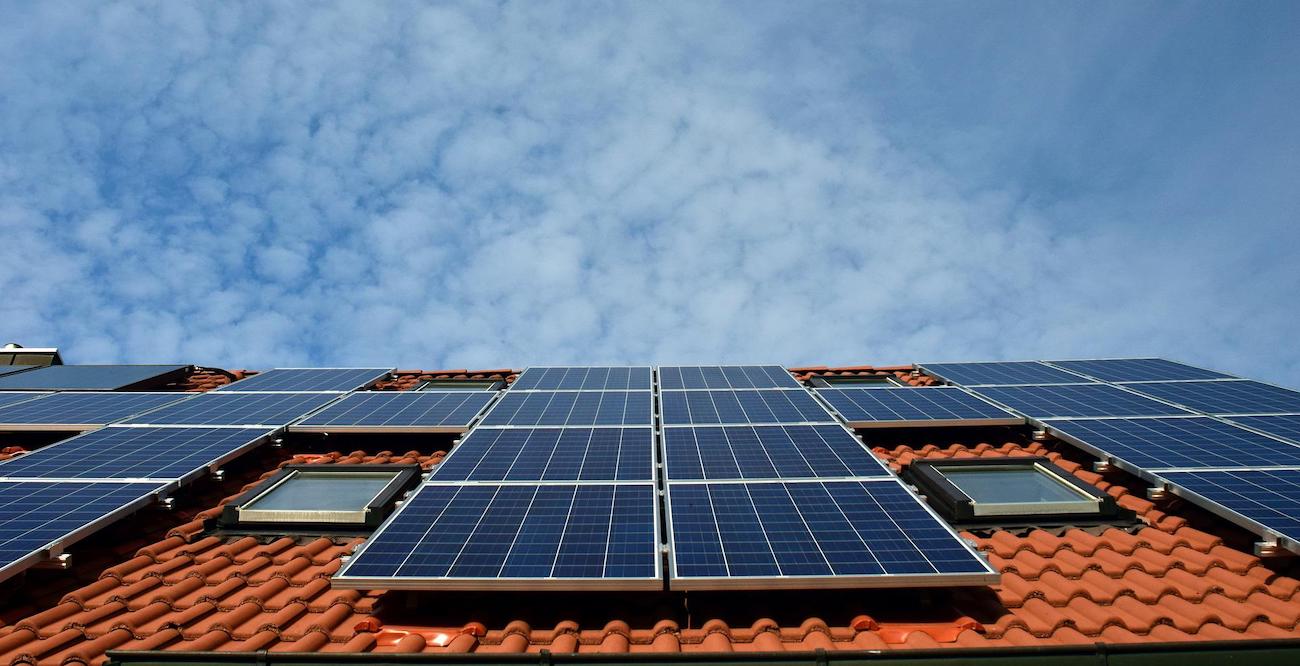
The Buffalo battery should stabilise the electricity grid in this way. The grid is unbalanced due to the rapid increase in the amount of decentralised renewable energy generated. Consider solar and wind power, both of which are weather-dependent in their production. Looking at solar energy, this means, among other things, that during the day at sunny times, energy production is high. At night and on cloudy days, on the other hand, this production is low.
Imbalance
This imbalance causes problems on the grid. For instance, renewable energy sources sometimes generate too much energy. To monitor the stability of the electricity grid, grid operators are sometimes forced to switch off solar panels, for instance. At times when production is low, shortages can actually occur, forcing coal and gas power plants to step in.
Using renewable energy production more efficiently can increase the share of renewable energy in Dutch energy consumption. The giga-battery helps with this. It can store renewable energy the moment production exceeds demand. The stored energy can then be deployed when demand exceeds the production of sustainable energy. The battery should thus contribute to reducing CO2 emissions.
Lithium iron phosphate batteries
The storage system uses lithium iron phosphate (LFP) batteries, supplied by the Finnish company Wärtsilä. These are free from cobalt, nickel and manganese. Recycled concrete was chosen for the site’s foundations. “The concrete industry is highly polluting and accounts for 5 per cent of global CO₂ emissions. To limit CO₂ emissions in the Buffalo project, GIGA Storage sought out more sustainable alternatives for constructing the concrete foundations,” writes GIGA Storage on its website.
Author: Wouter Hoeffnagel
Photo: Ulrike Leone via Pixabay











