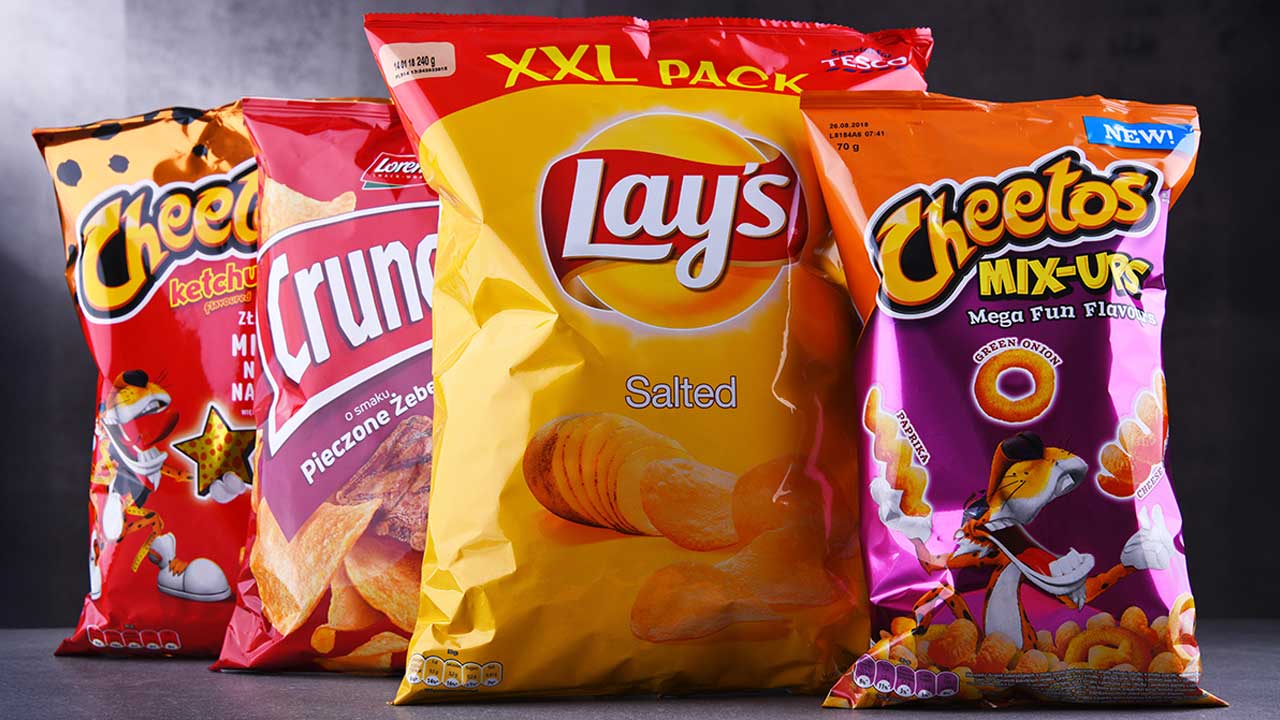

PepsiCo can make its crisps factory in Broek op Langedijk more sustainable thanks to flexible use of the electricity grid, for which it signed a contract with Liander. This will reduce their CO2 emissions by more than 50%. The factory produces Lay's crisps and Cheetos, among others.
PepsiCo and Liander signed a flexible contract to be able to use Eneco's thermal plant and storage, which is currently under construction, despite bottlenecks on the electricity grid. At times when sufficient power and transmission capacity is available on the grid, PepsiCo can buy it thanks to this contract. This saves the company costs and makes better use of the existing electricity grid. This makes them an example for other industrial companies. Liander will continue to actively seek flexible solutions with the 100 largest gas consumers in its service area and transition routes will be worked out for the next 5 to 10 years.
Making PepsiCo more sustainable
Together with Eneco, PepsiCo has started electrifying its factory processes with the addition of thermal storage at the plant. Renewable electricity is converted into 800ºC heat using a kind of large hair dryer. This hot air can be used directly to heat the oil needed to fry the chips or can be stored for later use.
Hot air storage
In the case of storage, hot air is passed through a large container of iron slag-based material. This is where the heat is given off. Then, when the heat is needed again, the air flow is reversed and the iron slag-based material releases the heat to the air again. This plant is expected to be ready for operation in autumn 2025.
Replacing natural gas
Replacing natural gas with sustainable electricity will lead to a reduction in CO2 emissions of over 50% in the first phase, compared to what PepsiCo expects in emissions without this sustainable solution.
Flexibility laid down in contract
To connect this installation, PepsiCo and Liander made agreements, whereby PepsiCo can only use the installation if there is capacity available on the electricity grid. This is because the electricity grid is not always full in this region. This is laid down in a new form of contract. With this contract, PepsiCo is allocated capacity on the electricity grid on a daily basis outside peak times. PepsiCo only pays for the kWh's allocated and actually consumed instead of the usual practice so far of a reserved capacity that has to be available 24/7. In this way, consumption better matches capacity on the power grid and PepsiCo only pays for what it really needs.
Contract in pilot phase
In combination with Eneco's thermal plant and storage, this allows PepsiCo to become more sustainable while helping to make better use of the electricity grid. This is a contract form in a pilot phase. If successful, this form of contract will be made further scalable. Liander is continuously monitoring industry needs and opportunities to facilitate sustainability. It is expected that at least two other forms of alternative transmission rights can be offered more widely in the course of 2025.
Flexible contracts
Flexible electricity use is one of the essential conditions for the future of industry in the Netherlands. There are other flexible forms of contract that can already be applied on a larger scale in industry and offer opportunities for sustainability. Consider, for example, the existing congestion management contracts.
Transit routes for the industry
The various flexible solutions that offer opportunities for the industry are included in the transition routes Liander wants to go through with the 100 largest industrial gas consumers in the service area. Together with the companies, Liander is looking at the most suitable energy solution, location choices and the possibilities of renewable generation, storage and flexible energy use.
Various routes and choices
In the food industry, for instance, temperatures are relatively low and electrification is often a good solution there. But in the ceramic industry, much higher temperatures are needed and there the use of green gas or hydrogen might be a better solution. Each route is different, depending on needs, production processes and location of the industrial party. The aim with these agreements is to create sufficient certainty for all parties to make investments. Choices need to be made so that the industry knows where they stand. Regardless, Liander will continue to make agreements with the largest gas consumers.
Photo and source: Liander
Read also: Optimising the workplace in industrial environments with a holistic approach











