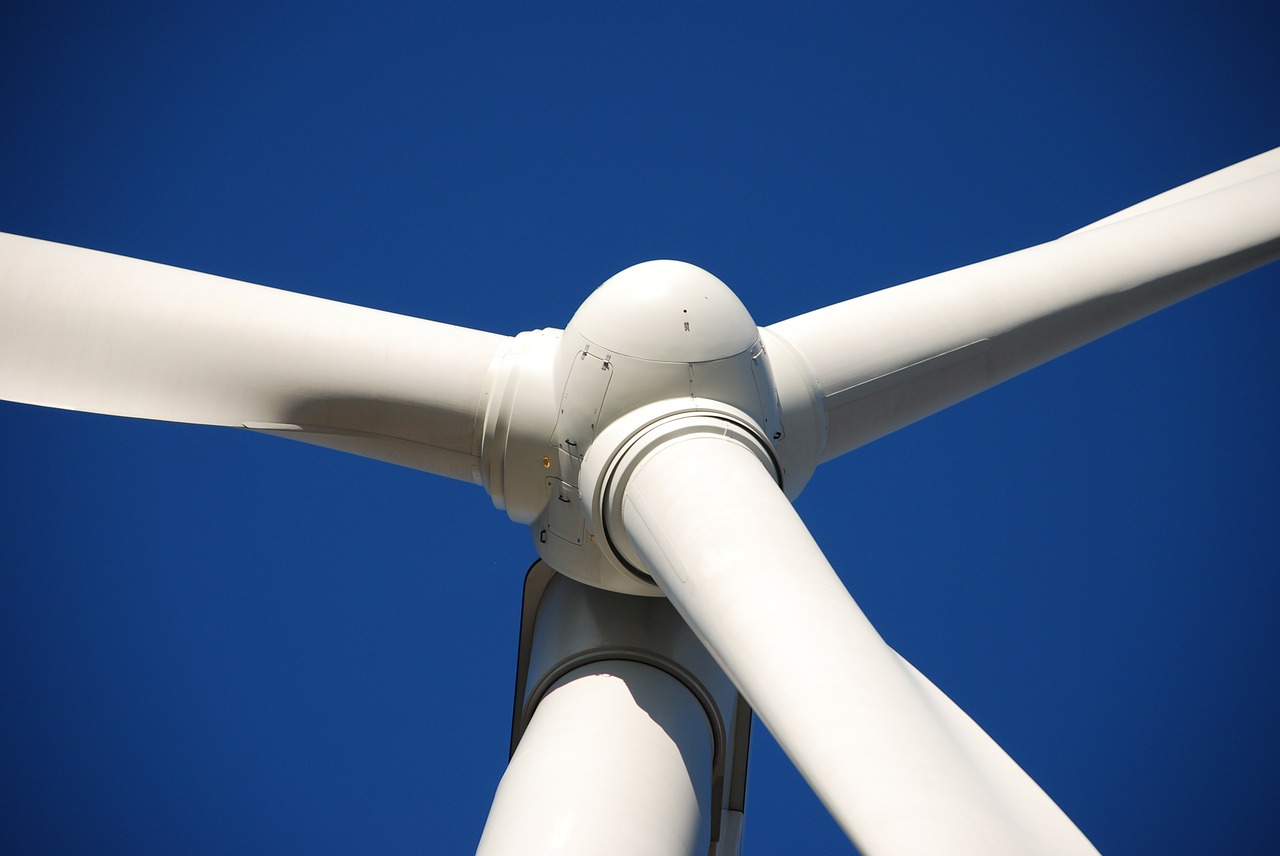

GIGA Storage is building a large-scale energy storage facility on the former DAMCO site in the Delfzijl region. The site already has a connection to the high-voltage grid, which is a significant advantage.
DAMCO Aluminium Delfzijl Coöperatie U.A. was declared bankrupt in October 2022, with high gas prices, among other factors, playing a major role. The site in the Delfzijl region where DAMCO was located has been sold by the receiver to GIGA Storage B.V. The transaction includes DAMCO's connection to TenneT's high-voltage grid. Important, as obtaining such a connection takes a long time.
Grid balancing
The Delfzijl region is a logical location for the energy storage that GIGA Storage wants to realise. A large amount of renewable energy is generated in the region. However, generation is far from always in balance with actual demand. This can lead to a surplus of generated energy on sunny and windy days, while during the night and on cloudy days there can be a shortage. In practice, this means that more polluting methods of energy production have to step in and the available capacity is not efficiently deployed.
The energy storage that GIGA Storage is working on should provide a solution. The site should be able to store a large amount of excess energy. If renewable energy production cannot keep up with demand, additional energy can be released from the energy storage to compensate. Thus, renewable energy can account for a larger share of energy production. Even at times when weather conditions are not optimal for this purpose.
The purpose of the energy storage is to solve local congestion on the grid and provide grid balancing services to TenneT. This should make the grid more stable and also create space for connecting more parties.
Road clear for design and planning
To acquire the site in the Delfzijl region, GIGA Storage has entered into a new 50-year lease agreement with Groningen Seaports, operator of the port of Delfzijl, Eemshaven and adjacent industrial areas. Entering into this agreement clears the way for designing and planning the facilities, as well as applying for the necessary permits. In doing so, GIGA Storage reports working closely with various bodies to ensure that all stakeholders remain informed of developments and involved in the process.
"It is good to see that such a striking site with a huge Groningen history is now going to be partly used for the new economy: increasing the amount of renewable energy on our grid. We are also pleased with TenneT's positive support on this project," says Cas König, CEO of Groningen Seaports.
'Logical step in energy transition
"For Groningen Seaports, this is an additional and logical step in the energy transition. Our sites originally housed several fossil power plants. By now facilitating large-scale energy storage in addition to wind turbines, solar parks, we show that we consider sustainable energy important," König continued.
"As unfortunate as it is that this industrial beacon of Delfzijl had to stop, we are delighted to have the opportunity to replace a major industrial energy consumer and in doing so bring a sustainable interpretation to the site," said Ruud Nijs, CEO GIGA Storage. "We are committed to providing energy solutions that ensure grid stability without having to deploy fossil power plants. The project represents an acceleration in the roll-out of our projects. GIGA Storage aims to have at least 3 GW of energy storage under management by 2030. The acquisition of the closed distribution grid allows GIGA Storage to take a significant step towards achieving this objective."
Largest battery in the Netherlands
Climate and Energy Minister Rob Jetten already opened the Netherlands' largest battery near Lelystad in October. This site was also developed by GIGA Storage. The energy storage is connected to and part of Windnet's smart grid. The battery is also directly connected to the wind farms Mammoethtocht and Neushoorntocht.
The battery has a capacity of 25MW and a capacity of 48MW. The location should support further integration of renewable energy production resources in the electricity market. Eneco is renting the location for the longer term, with which it intends to support its sustainable portfolio.
Reduction of 8,532 tonnes of CO2 emissions per year
GIGA Storage claims that its batteries reduce the use of gas and coal-fired power plants during much of the year. The batteries can also help reduce gas consumption, resulting in substantial CO2 reductions. GIGA Storage calculates that relative to a gas power plant, the project saves 8,532 tonnes of CO2 emissions per year. In addition, the batteries sustainably stabilise the electricity grid.
Several parties are involved in the realisation of the energy storage near Lelystad. Among others, Eneco (tenant of the battery capacity), Wärtsilä (battery supplier), Equans (technical service provider), K. Dekker (building contractor), Smartgrid Flevoland (the local grid), Triodos Energy Transition Europe Fund and Rabobank (the investors and financiers) are involved.
Nijs: "Our aim is to contribute to being able to switch off gas and coal-fired power plants faster. Batteries can take over the balancing role while helping local parties to be connected to the grid. By implementing energy storage projects at strategic locations, we want to make a difference in the energy transition."
Pilot projects in Amsterdam, Alkmaar and Lelystad
GIGA Storage has launched pilots with grid operator Liander in Amsterdam, Alkmaar and Lelystad, using batteries to use the electricity grid more efficiently. Among other things, this should lead to more parties being able to access the grid. The aim is to use energy storage to use unused space in the grid during off-peak times to connect more entrepreneurs. Also in places where the maximum capacity of the grid has already been reached.
Important, as grid operators are legally obliged, when allocating capacity on the grid 24/7, to take into account the maximum capacity that all connected operators can simultaneously request. If this limit is reached, grid operators are legally obliged to place new requests on a waiting list until the grid is expanded. In practice, however, at many times part of the grid's capacity remains unused. The pilot projects should lead to this unused capacity being used more efficiently.
Author: Wouter Hoeffnagel
Photo: Steppinstars via Pixabay











