Growing red peppers using heat from household waste
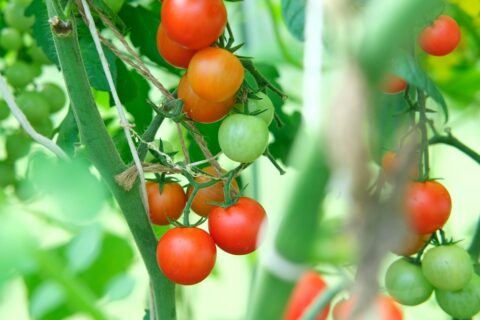
The red peppers in the greenhouses of NH Paprika in Heerhugowaard will soon be grown using heat from the neighbouring household waste incineration plant in Alkmaar. The pepper grower is the first company in the Alton greenhouse horticulture area to start using this sustainable energy by the end of this year. Both parties recently signed an agreement to connect to the waste-to-energy plant’s heat network.
"It is important for my company to start using sustainable heat and be able to grow at a reasonable cost price. With the connection to the heat network, this will be realised," states grower Marcel Numan of NH Paprika. According to HVC director Arjan ten Elshof, the connection of NH Paprika's two locations means a substantial step towards sustainability. This is annually equivalent to installing 60,000 solar panels on the roof and comparable to the annual consumption of around 4,000 homes.
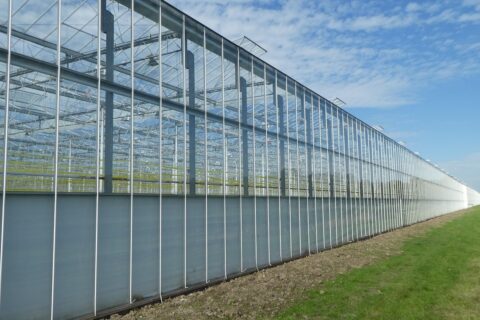
Growing company NH Paprika, with 11 hectares of peppers and 5 million cubic metres of gas per year, is the largest gas user in the North Holland Alton area. Under the agreement, the household waste plant is investing in connecting the existing heat network to the Alton greenhouse area. By the end of this year, an 8.5-kilometre stretch for the heat network of household waste power plant HVC should be connected to the greenhouse location.
growers in the Heerhugowaard area will thus be able to sustainably heat their greenhouses in the coming years. This is an important step in realising the entrepreneurs' ambition to stop using fossil fuels for cultivation by 2030.
According to councillor Monique Stam, the green heat supplied via the heat network will make the entire municipality of Heerhugowaard more sustainable. Besides greenhouse horticulture, homes, offices, business premises and other facilities may also be connected to the heat network in the coming years. Late last year, the municipal council committed to connecting at least 2,500 homes to the heat network over the next 10 years.
Alton towards sustainable and circular horticulture
The heat network has come about thanks to the broad cooperation between governments and businesses that have joined forces to make greenhouse horticulture in the Alton area more sustainable, says area coordinator Dave Vlaming of Ontwikkelingsbedrijf NHN.
As an independent area coordinator, Ontwikkelingsbedrijf NHN has been working for five years now to make the Alton area future-proof. This is done together with the entrepreneurs, province of North Holland, municipality of Heerhugowaard and Koggenland, Rabobank, HVC, Stivas, RVO and LTO.
"The future of this greenhouse area still looked bad in the crisis of 2008, but Alton is now on its way to becoming an example for sustainable and circular horticulture. The construction of the heat network is the big breakthrough to make the area future-proof. The prospect of the arrival of the heat network already made companies more interested to invest and entrepreneurs from the outlying area want to move here."
A few years ago, Gootjes Allplant settled in Alton, followed last year by Verver Export. There are also four more companies from the outlying area looking to relocate to Alton. The company Amigo Plant bought a 10-hectare plot in Alton for this purpose last year, Vlaming said.
Alton is the oldest of the three glass concentration areas in North Holland North. Together with Het Grootslag near Andijk and Enkhuizen and Agriport A7 in Middenmeer where glasshouse companies with an average of 60 hectares of greenhouses undertake business, the three locations provide large-scale production of horticultural products. Of these, a significant share is destined for export.