
A new microscope can use artificial intelligence (AI) to detect malaria parasites in blood as accurately as human experts using standard diagnostic processes. The microscope could reduce pressure on microscopists.
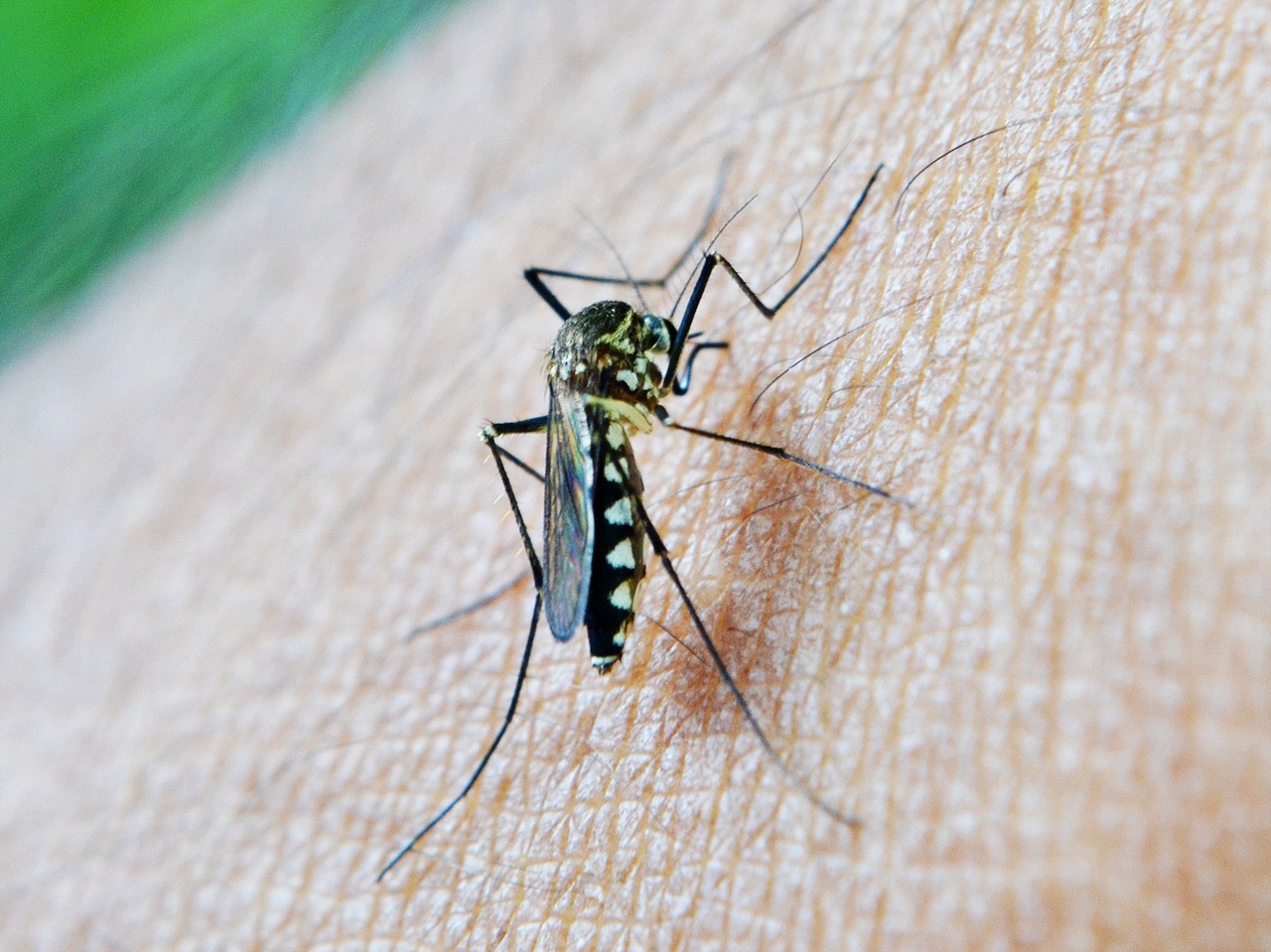
Malaria is an infectious disease caused by single-celled parasites. The parasite spreads to humans via mosquitoes. Figures the World Health Organisation (WHO) show that some 247 million malaria infections have been detected worldwide by 2021. The number of deaths per year cannot be determined with certainty, but the WHO estimates between 577,000 and 754,000 per year.
Reduce pressure on microscopists
The high number of infections puts considerable pressure on malaria microscopists to detect malaria. Thus, identifying malaria parasites requires expertise, while the workload is high. An international team of researchers wants to reduce this pressure. In doing so, they are betting on AI.
The researchers combine AI software with an automated microscope. This combination allows them to detect malaria in an automated way, with an accuracy comparable to that of human experts.
Accuracy of 88%
The research was conducted at University College London Hospitals, part of the UK's National Health Services (NHS). The researchers collected 1,200 blood samples from travellers who returned to the United Kingdom (UK) from malaria areas. These blood samples were assessed both manually and with the AI system. In the manual analysis, a total of 133 samples were assessed as positive for malaria. The AI system assessed 99 samples as positive. This translates to an accuracy of 88%.
"With an 88% diagnostic accuracy rate compared to microscopists, the IA system identifies malaria parasites almost - but not quite - as well as experts," says Dr Roxanne Rees-Channer, researchers at The Hospital for Tropical Diseases at UCLH.
'Big win for AI algorithms'
"This level of performance in a clinical setting is a big win for AI algorithms targeting malaria. It indicates that in the right conditions, the system can indeed be a clinically useful tool for malaria diagnosis."
The system consists of both hardware and software. For example, an automated microscope scans blood samples. Algorithms specifically trained in recognising malaria parasites then check the images. In this way, they not only visualise whether malaria parasites are present, but also in what quantities.
Lower workload and less chance of human error
The benefits are broad, the researchers argue. They point not only to the heavy workload on microscopists, but also to fatigue and the risk of human error. "Even specialised microscopists can get tired and make mistakes, especially if they are under heavy pressure," explains Rees-Channer. "Automated diagnosis of malaria using AI can reduce this pressure for microscopists and create a viable patient load."
The researchers stress that the accuracy of their AI system is not yet up to scratch. For example, the system incorrectly identified 122 samples as positive. In practice, this could lead to patients receiving unnecessary medication. The AI system therefore needs further development.
Further information is available here.
Author: Wouter Hoeffnagel
Photo: Mohamed Nuzrath via Pixabay










