
Bjarke Ingels Group (BIG) stands out for architecture that serves a dual purpose. For instance, their Twist museum is also a bridge and the CopenHill power plant is also a ski slope at the same time. To this list can soon be added a furniture factory that serves as a hiking and camping destination. The building will be powered by solar energy and efficient heating and cooling systems while recycled building materials will be used for its construction.
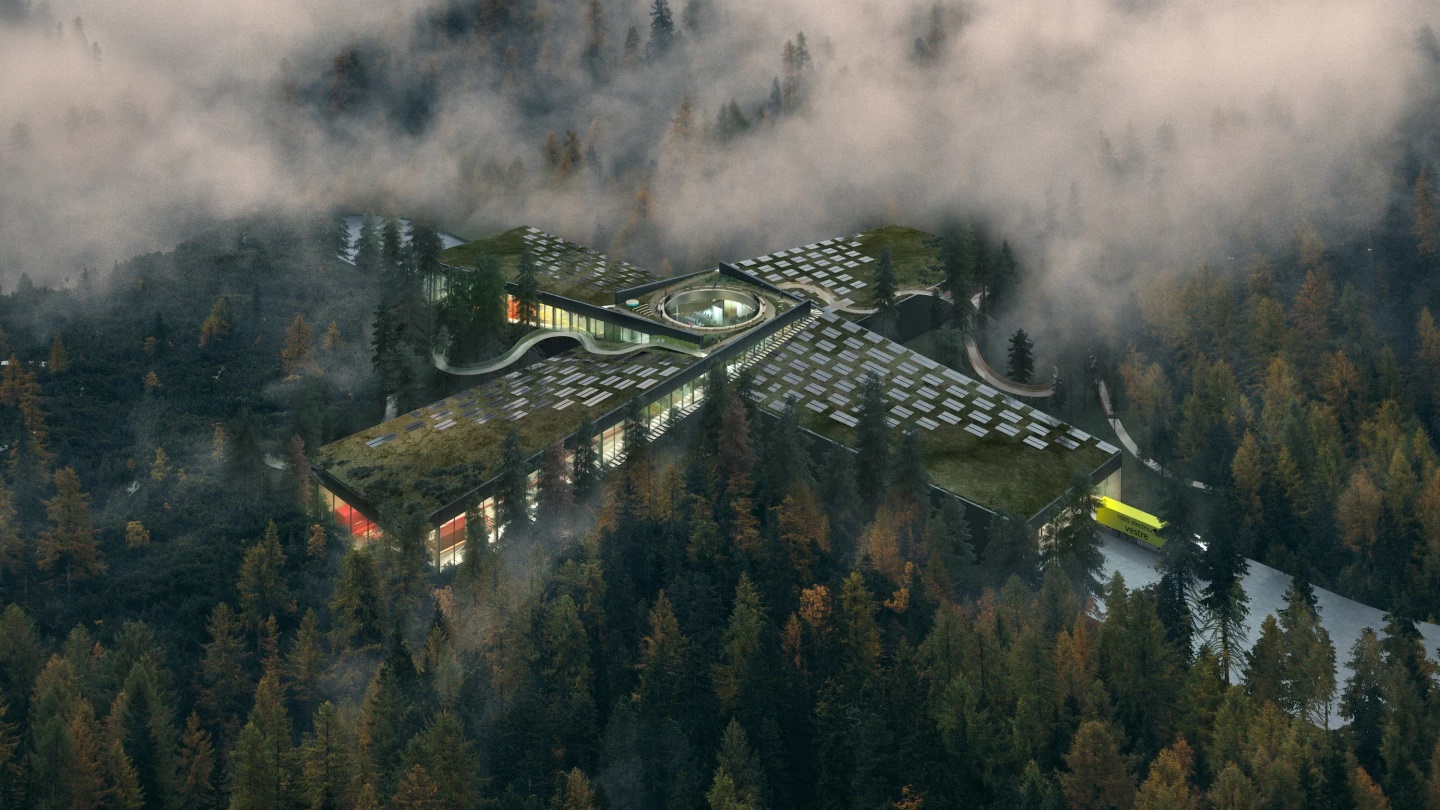
The project was commissioned by furniture maker Vestre and is named the Plus, presumably due to its plus-shaped design. The new building rises in Magnor, a forested area in Norway.
The interior will include four main production spaces - a warehouse, a colour factory, a wood factory and a gathering point. The different spaces all connect to a central hub with logistics office and exhibition centre. This will have a green public courtyard where Vestre's latest furniture will be on display. The interior itself will be colourful; the factory will feature smart robots and self-driving trucks.
Plus will also serve as a hiking and camping destination where visitors can also view the manufacturing process. One can even stroll on a terrace on the green roof. Ramps and paths ensure that it is also suitable for the disabled.
Sustainable
The large open manufacturing unit with an area of 6,500 m² is combined with a 121-hectare public hiking and camping area. It should become a milestone in the region's mission to establish a green manufacturing industry. From all four sides of the buildings, visitors and staff are invited to walk around and end the walk on the green roof terrace.
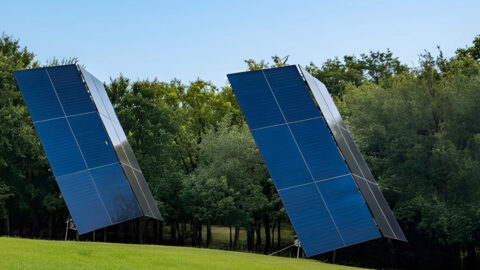
Plus is hailed by BIG as the world's most sustainable furniture factory and, as far as we know, the building is the first industrial building in Scandinavia to achieve BREAM Outstanding certification. The building materials consist of local wood and recycled steel . Furthermore, 1,200 solar panels will be installed on the roof at an angle for maximum efficiency. Excess heat will be sent to an ice water system for cooling, while a system of heat and cold storage tanks, heat pumps and geothermal heat will contribute to efficient heating and cooling. According to BIG's calculations, the sustainable design will provide at least 90 per cent less energy than a comparable conventional plant. Construction will start later this year; the completion date is not yet known.