Buying tomatoes, herbs and sea bass from the rooftop farm nearby. Belgians will soon be able to eat off the roof: these products will be on the shelves of supermarkets and fresh food shops in Anderlecht.
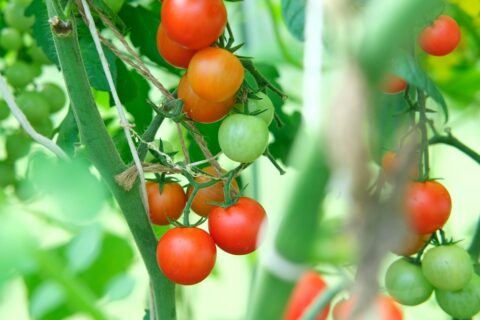
The harvest comes fresh from the roof of the nearby Foodmet where the Slaughterhouse Farm officially opened. Here, above the food market of the Slachthuisterrein in Anderlecht, is Europe's largest urban aquaponics farm. The farm links hydroponics with aquaculture, setting up a cycle where water, CO2 and fish excrement are collected and reused. BIGH expects the city farm to produce an annual harvest of 35 tonnes of striped bass, 15 tonnes of tomatoes plus 2,700 pots of organic herbs every week.
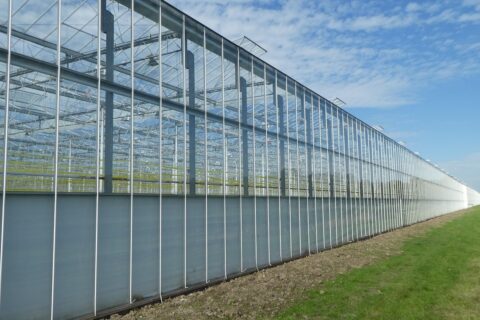
The Slaughterhouse Farm project in the Belgian municipality near Brussels was developed by Building Integrated GreenHouses (BIGH). The Brussels-based start-up has set up a total of 4,000 square metres for an urban farm on the roof of the Foodmet. About half of the area consists of outdoor cultivation of vegetables, the other half is set up for greenhouses for horticultural vegetables and for aquaponics, the combination of fish farming with plant cultivation in a closed circular system. Waste products from the fish are converted into natural fertilisers for the plants while water from the fish is used for the plants. Water also comes from the roofs of the greenhouses and from a well. Residual heat from Foodmet's indoor food market and CO2 from the heating plant goes back into the greenhouses.
From a short chain
The products that will soon be on sale in shops near the Slaughterhouse Farm are super-fresh. They come from a short local and traceable chain with no storage, distribution and transport costs. In this way, the impact on the environment also remains limited. With special products, the city farm wants to provide an additional share in the fruit and vegetable assortment of the supermarkets and shops in the vicinity of the Slachthuisterrein in Anderlecht.
Also in other cities
BIGH also wants to set up rooftop farms in other cities in Belgium over the next five years. The roofs of large companies and shopping centres as possible locations for circular urban agriculture are also in the organisation's sights. So are urban farms in cities elsewhere in Europe.
The organisation, which specialises in aquaponics urban farms, has developed the largest farm on a building in Europe with the Slaughterhouse Farm in Anderlecht. With economic and social partners, the organisation aims to develop a sustainable food model such as urban agriculture. This connects the urban consumer with agricultural production and forms a link between producer and retailer. Urban agriculture or agricultural activity in urban environments is based on an ecological, social, sustainable and circular model. With urban agriculture, a city can partly meet its own needs and is at the same time a market and environmentally friendly production location.