
Thorizon and TNO have launched a research programme into the behaviour of materials in molten salt reactors. Led by TNO, they are investigating how materials withstand corrosion caused by molten salt. Using experiments and predictive models, they are mapping out how these materials behave over the long term.
The results are needed to demonstrate that the materials are suitable for use in the reactors. In this way, the programme supports the licensing process for Thorizon’s PIONEER demonstrator in Petten and the subsequent commercial roll-out of Thorizon One.
The need for a new generation of nuclear reactors
Europe needs clean electricity round the clock. Electrification, industrial growth and the rise of AI are driving up demand for electricity, whilst the power grids are already under strain. Wind and solar power will supply a large proportion of that electricity. In addition, reliable energy sources are needed that are also available when the wind isn’t blowing or the sun isn’t shining. The Netherlands aims to have 7 GW of nuclear capacity by 2050. This includes small modular reactors that can supply energy directly to industry and data centres.
Molten salt reactors
Molten salt reactors are among the most promising new reactor technologies. They operate at low pressure, offer additional safety benefits and make efficient use of fuel. They can also reduce the volume of long-lived radioactive waste. Before these reactors can be brought into service, it must be clear how the materials will withstand hot molten salt over the long term. This knowledge is necessary to obtain licences, determine the reactors’ service life and apply the technology commercially.
Replaceable cartridges
Materials used in molten salt reactors must be able to withstand heat, corrosion, salt and radiation for many years. Thorizon takes this into account in its design. The fuel salt is contained in sealed cartridges which are replaced after five to ten years. This limits the time that key components are exposed to the salt. During scheduled cartridge changes, these components can be inspected and replaced.
Reliable research data
Reliable research data is needed to underpin this design. Regulators and reactor operators need to know how materials behave under the conditions inside the reactor. The programme will provide the measurement data and models needed to evaluate design choices, determine the service life of cartridges and monitor the condition of materials during operation.
From research to application in the reactor
TNO has extensive experience in materials research. Among other things, the organisation investigates how materials react to corrosion, what protection coatings offer and how long components last. TNO is investigating whether materials are suitable for use in reactors. This evidence is required for the granting of licences and for practical application.
Research and testing plan
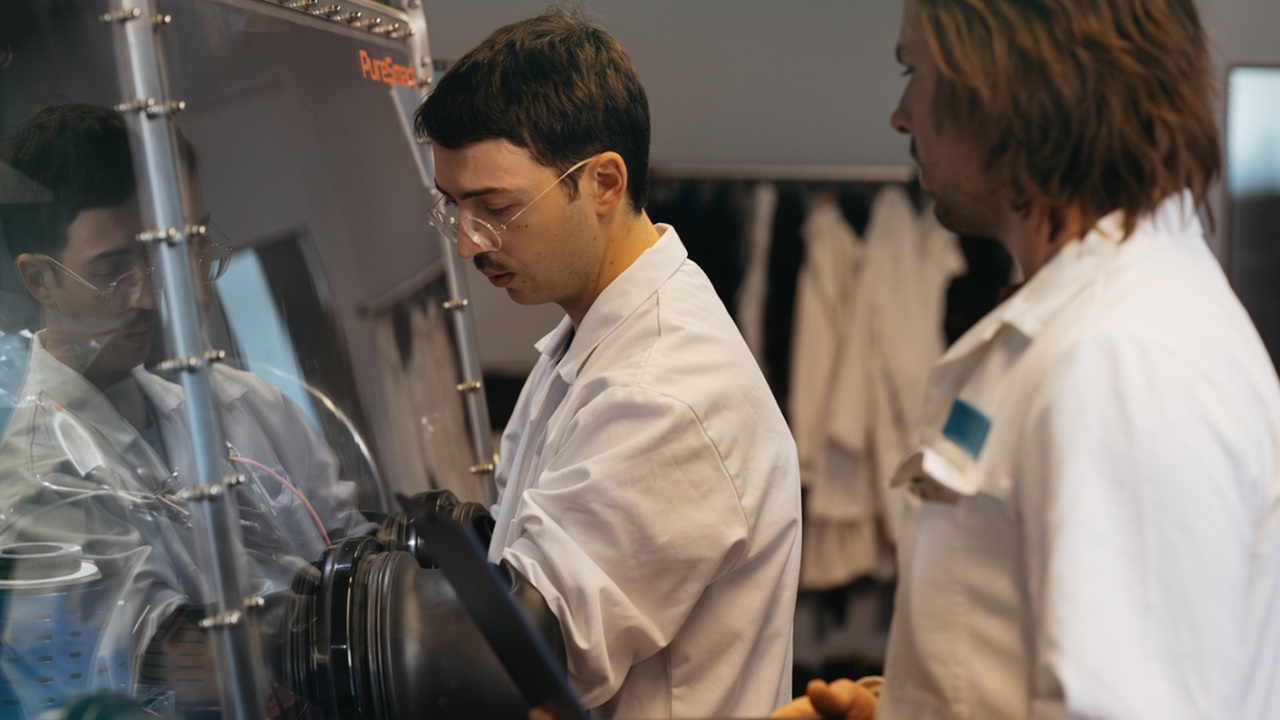
Thorizon and TNO are working on the research and test plan. This will be followed by an extensive programme of materials research and corrosion tests. They are also developing models to predict the behaviour of materials and will compare these with the test results. Work has already begun at Thorizon in Amsterdam and at TNO’s laboratories in Petten. The results directly support Thorizon’s reactor design, choice of materials and licensing process.
International collaboration
Thorizon and TNO wish to collaborate with other organisations in the Dutch nuclear sector, including TU Delft and NRG PALLAS. They also wish to involve international partners, such as the French Alternative Energies and Atomic Energy Commission (CEA) and the European Commission’s Joint Research Centre (JRC). These organisations can contribute expertise on materials, the chemistry of molten salt, irradiation, modelling, reactor design and licensing.
Building knowledge and test facilities together
The programme is in line with the Dutch government’s growing support for nuclear energy, including funding for advanced reactors through the European IPCEI programme for nuclear technology. It brings together Dutch research institutes, universities and companies with European partners. In this way, they are jointly developing the knowledge and test facilities needed to bring advanced reactors to market.
Source: TNO Featured image: Thorizon molten salt lab (source: TNO)
See also: New sensor system detects faults in large solar power stations