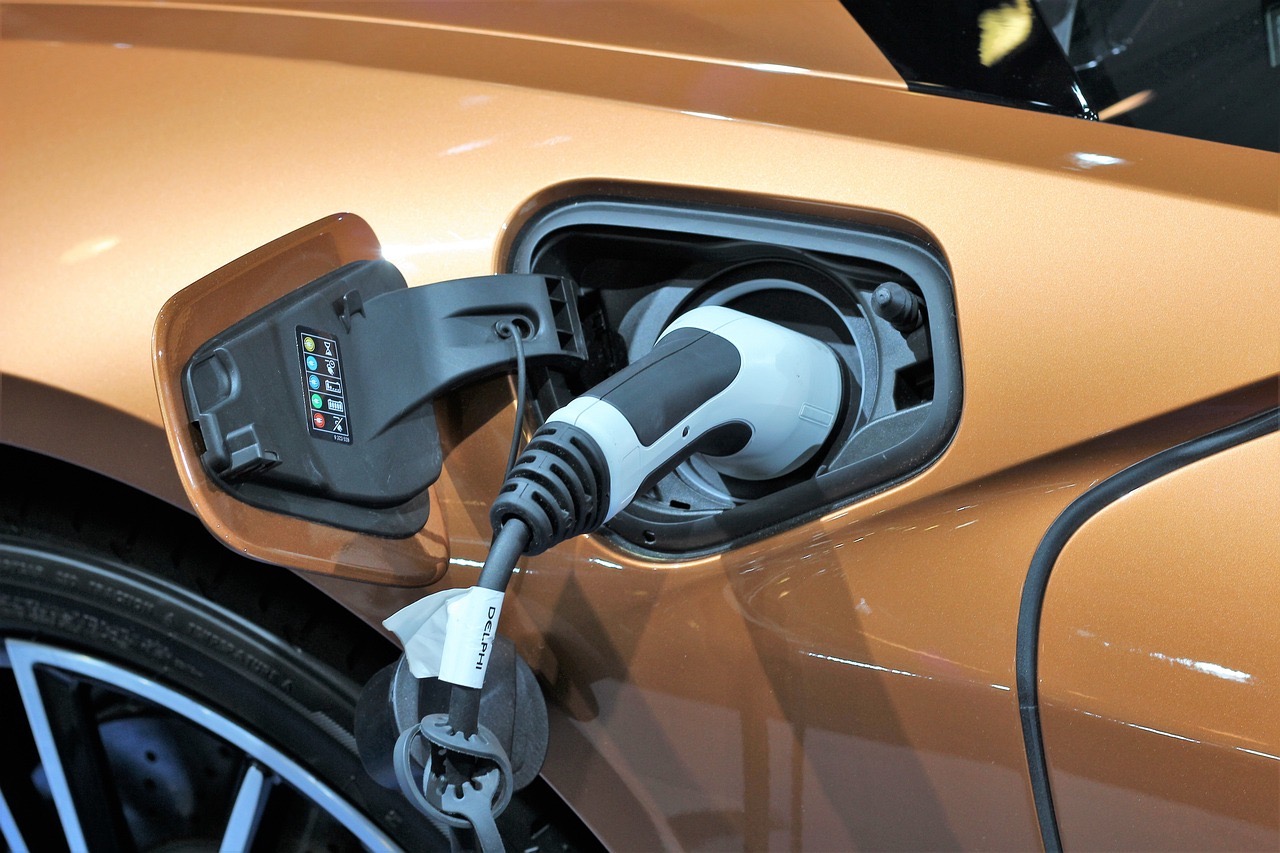

Anyone driving an electric vehicle (EV) in Utrecht is possibly going to experience problems with charging. Utrecht city council is considering switching off charging stations temporarily or even permanently in the fight against grid congestion.
Grid congestion has been a significant problem in the Netherlands for some time; with the rapid electrification of our country, our electricity grid is running into its limits. This is not the first time that switching charging stations is seen as a possible solution. Grid operator Stedin recently advocated switching off charging stations between 16:00 and 21:00.
Voluntary call
This was a call for owners to voluntarily switch off their charging pole during these hours. This should help counter the biggest peak load; during this time period, many EV drivers hang their vehicle on a charging pole so that it charges during the night.
So in the municipality of Utrecht, they may want to kick this up a notch. There are votes in the city council to switch off charging stations temporarily or even permanently in the fight against grid congestion, reports RTV Utrecht. It is uncertain whether this measure will actually be introduced. However, it has already been decided to reduce the charging capacity of charging stations in the afternoon and early afternoon. In practice, this means EVs will need more time to charge.
Substantially higher rate
Utrecht alderman Lot van Hooijdonk (GroenLinks) at the same time sees opportunities in Stedin's call for charging posts to be completely switched off between 16:00 and 21:00. If charging is still needed during this period, EV drivers could do so at a significantly higher rate.
However, there are also calls from Utrecht's PvdA and ChristenUnie parties to ban EVs from Utrecht. This is striking, as Utrecht is actively trying to keep out vehicles with traditional combustion engines. For instance, Utrecht has had an environmental zone for diesel vehicles for years. From 2025, the municipality will ban diesel vehicles from the city centre altogether.
35,000 extra charging poles
At the same time, the number of charging stations continues to rise. For instance, MRA-Elektrisch announced last week that it will install 35,000 additional public charging poles in the provinces of Noord-Holland, Flevoland and Utrecht. MRA-Elektrisch is a project of the cooperating governments in the provinces of Noord-Holland, Flevoland and Utrecht.
Tenders have been invited from 74 municipalities to place, manage and operate the charging poles. Shell ubitricity, Vattenfall InCharge and TotalEnergies are taking on this in the provinces. The first charging posts are expected to be available by mid-2024. The locations where they will be placed will be determined by the parties involved on the basis of requests from EV drivers. However, even if data show that a charging station is busy, additional charging stations will be placed in the immediate vicinity.
The charging posts support smart charging. In practice, this means charging mainly when the electricity grid is quieter, at times when lots of green electricity is available and when the energy price is low. The charging stations regulate this automatically; EV drivers do not notice this, according to MRA-Elektrisch.
TenneT: '160 billion euros of investment needed'
Tackling grid congestion is a key issue for both local authorities and grid operators. For instance, grid operator TenneT recently announced that it expects to need 160 billion euros over the next ten years for investments in high-voltage cables and large-scale wind energy projects. Some of this funding may be made available through the sale of TenneT’s German operations to the German government. However, the grid operator still expects to require 72 billion euros following the transaction.
TenneT warns that the overload on our electricity grid has not yet been resolved. It also expects tariffs to rise further in the coming years as a result. Earlier this year, the outgoing government granted TenneT a temporary loan of 25 billion euros. This money is intended for investments aimed at preventing congestion in the electricity grid.
Author: Wouter Hoeffnagel
Image: Goran Horvat via Pixabay








