The Australian firm ‘K20 Architecture’ has designed an impressive, sustainable community centre in Bayswater (Australia) using recycled materials. The building is equipped with solar power and rainwater harvesting systems.
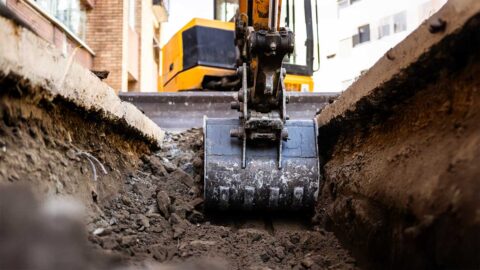
Construction of the 'Bayswater Early Years Hub' better known as "the Sunflower", was completed last year. It has an area of 1,820 square metres and is centrally located between a school and a bowling club. The building takes the form of two joined U-shaped structures and is largely finished in brick sourced from a local waste collection facility. It also includes recycled wood for the ceiling finish, natural logs sourced from trees felled near the construction site and bricks also excavated near the construction site.
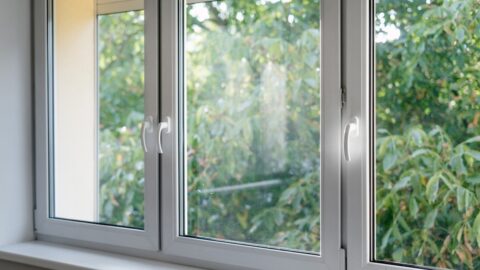
The main courtyard contains play equipment for children; in addition, fitness equipment for adults is available here, as well as shaded locations and places to sit and relax. The interior has generous windows to take maximum advantage of natural light within the building. There are also classrooms where children can start learning at an early age. There are also areas for support services such as: a kitchen and bathrooms.
Sustainable building
The roof of the Bayswater Early Years Hub is covered with solar panels that are in turn connected to a series of batteries. It is designed to be self-sufficient for most of the year but it also has a connection to the electricity grid that is expected to be used for about two weeks a year on average, depending on weather conditions.
In addition, there is a rainwater harvesting system connected to water storage tanks, which is used for toilet flushing, washing machines and an irrigation system. Furthermore, energy consumption is monitored using a metering system that records all energy data.
The use of passive design principles, entry of natural light for interior spaces and solar control, reduce the building's reliance on artificial lighting and cooling. Solar panels, batteries, rainwater harvesting and other sustainable initiatives complete the building. For the municipality, the project combines improved sustainability with lower operating and maintenance costs and a longer life cycle of the building.