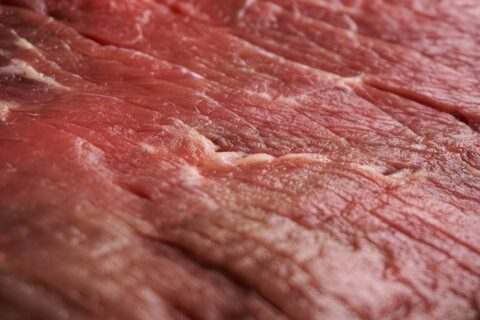
The meatball in the picture below is not made from a cow. At least, not from the meat of a cow. It was produced in a lab using animal cells. Memphis Meats, the company behind it, recently received a large donation from investors including Bill Gates and Richard Branson. Food technology is making inroads in Silicon Valley.
Growing demand
The US-based San Leandro company already produces chicken, beef and duck. As mentioned, it does so using animal cells, without the need to feed, breed and slaughter animals to do so. This offers benefits on many levels. 'The world loves to eat meat, and it is the basis for many of our cultures and traditions,' says co-founder Uma Valeti in a press release. 'The demand for meat is increasing rapidly around the world. We want the world to be able to continue eating what it wants. However, the way conventional meat is produced does create environmental, animal welfare and human health challenges.'
The inventors expect their way of producing meat to require as much as 90% less land and water and provide the same percentage reduction in greenhouse gas emissions. 'And, most importantly, the meat is tasty too.' Actually, only the process is different, they say. 'We start by harvesting meat cells from the highest quality cattle,' the website explains, 'then we identify the cells that are capable of renewing themselves. We now know which cells give us the flavours, textures and aromas we are after. We grow these cells in meat in a clean, vey and nutritious environment. After four to six weeks, we harvest the meat, cook it and enjoy it!'
Investment
Memphis Meats recently announced it had received a $17 million investment from a pioneering group of investors, including Bill Gates and Richard Branson but also major food giants such as Cargill. The investment round was led by DFJ, a leading venture capital firm, which also previously backed Tesla, SpaceX and Skype, among others.With the money raised, Memphis Meats aims to develop even more tasty products, scale up 'clean meat' production and reduce production costs to the same level as conventionally produced meat. The company expects to quadruple its workforce and is already expanding its team.
'Clean meat' is a huge technological shift for humanity, and the opportunity to invest in something so significant doesn't come along very often,' said Steve Jurvetson, a partner at DFJ. 'This is a moment where investment potential and the potential to do something good for the world come together. Investors have been watching these developments for years and Memphis Meats has emerged as the clear leader. It is fun to see the team at work and taste the products. The flavour is very real. I am curious to see what Memphis Meats will bring in the future.'
Silicon Valley
In Silicon Valley, the tech epicentre of the world, producing food through modern methods has been high on the agenda for a while now. Several startups are focusing on food technology, all with the underlying idea in the future to meet the high demand for alternative food sources in the most sustainable way possible. Major leaders are also increasingly willing to invest heavily in food production. It is not just about meat production but also other types of food. A few years ago, for instance, a number of engineers successfully set up Soylent, a company that makes nutritious ready-to-eat drinks and food bars (they contain enough nutrients to take as a full meal) based on plants. The similar company Ambronite received a $600,000 investment, including from the co-founder of YouTube.
Impossible Foods, which also produces meat from plant-based ingredients, is working on opening a commercial plant. That company also got a big investment from the tech world, including from Google Ventures. 'A cow is as mature technology as it gets. One of the advantages we have over cows when it comes to making meat is that we have the ability to improve every aspect of it,' founder Pat Brown told the Financial Times.
By the way, the first ever cultured meat burger came from the Netherlands; it was introduced by the University of Maastricht in 2013.
By: Kelly Bakker
Source: Memphis Meats + Financial Times
Photo: Memphis Meats