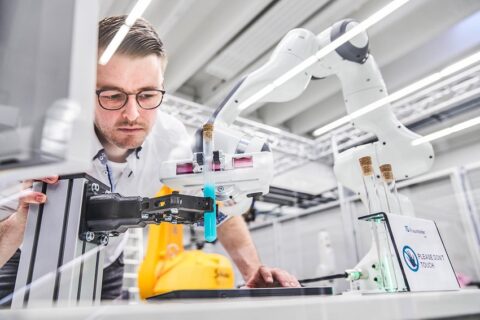

Wageningen AgroFood Robotics, part of Wageningen University & Research, is working on a range of intelligent robots that can increase the value of fresh fruit and vegetables. These include robots that can independently put together fresh produce packages, or sort fresh fruit. A first demo application with such a robot is scheduled for summer 2021.
Handling fruit and vegetables requires the right way of working. Fresh fruit and vegetables, for instance, are fragile, while damage affects their value. Automated processing of fruit and vegetables is therefore still widely done manually worldwide. However, automation can add a lot of value, say the researchers.
Time-consuming, boring and self-repeating tasks
"It would save companies a lot of time and money if robots could take over these time-consuming, boring and self-repeating tasks from employees," says Aneesh Chauhan, expert leader of the Computer Vision and Robotics group at Wageningen Food & Biobased Research and a member of the Agro Food Robotics team. "And it would be even more efficient if one robot could perform multiple tasks."
Wageningen Agro Food Robotics has launched the Autonomous Robots for Agrifood Processes project in 2019. This is a four-year project, which should lead to intelligent robots that can perform multiple tasks. Think of picking and sorting different fruits and vegetables. Or sorting produce based on size and shape.
'Improve cost-benefit ratio'
"Fruit and vegetable processors can use such robots to improve the cost-benefit ratio of their work," says Chauhan: "For example, consider a robot that processes oranges but can easily switch to processing strawberries, and can immediately sort this fruit for sweetness. The manufacturer can then sell the sweeter strawberries at a premium price. And he can give buyers a guarantee that his produce has not been touched by human hands, a clear advantage in the times of a pandemic."
The robots learn from humans, eliminating the need for complex programming. For example, using built-in cameras, the robots can record and learn from human actions during picking and sorting operations. "The recognition of human activity includes data about the person, the environment and the object handled," Chauhan explains. "Built-in computer vision and deep learning technology enable the robots to capture this information and learn new tasks by learning them from humans."
Robots have now been successfully deployed in several situations. These include picking and sorting tangerines of different sizes and separating ripe from unripe bananas. However, consider also sorting and separating intact and damaged cucumbers, and separating different fruits on a table.
First demo application on the way
The researchers are currently working on a first demo application, which should be ready by summer 2021. They speak of a global first in robotics for agrifood. "An innovation like this requires technological expertise of robotics and machine learning technologies, as well as extensive knowledge of product physiology and food processing. Here in Wageningen, these disciplines work closely together," says Chauhan.
Chauhan wants to test the robots in a (pilot) factory. The researchers also want to further develop the robots, including equipping them with more sensors. This should enable the robots to determine the sweetness, juiciness and firmness of fruits and vegetables, among other things.
Author: Wouter Hoeffnagel
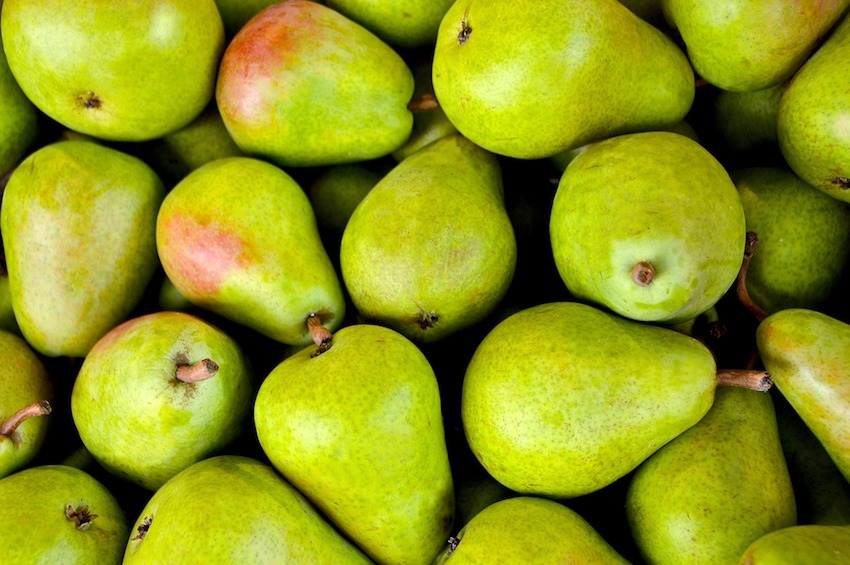
Photo by: PIRO4D via Pixabay