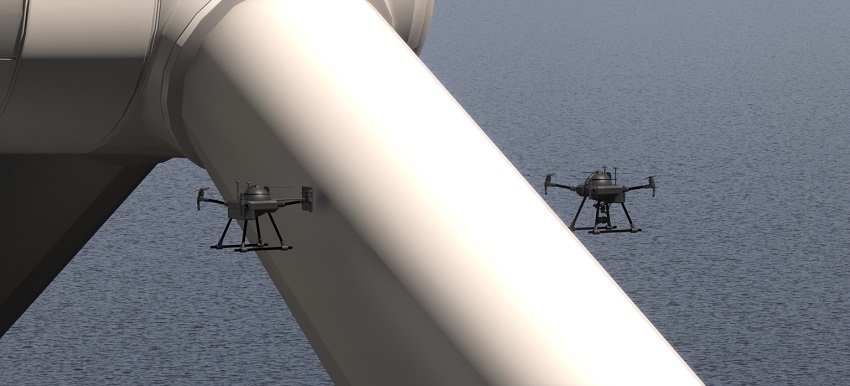

Wind turbine blade inspections can be faster, cheaper and safer. TNO and SpectX have pooled their expertise over the next year in the IBIS (Increased Blade Inspection Safety) project. Within IBIS, inspection teams use advanced autonomous drone technology and digital twin models. This reduces the need to physically perform inspections at high altitudes.
Inspecting and maintaining wind turbines is not easy. It takes up a large part of operational costs. Maintenance engineers have to climb the wind turbine. They then have to manually check each blade for damage, cracks and other causes that could jeopardise its service life.
Combining technologies
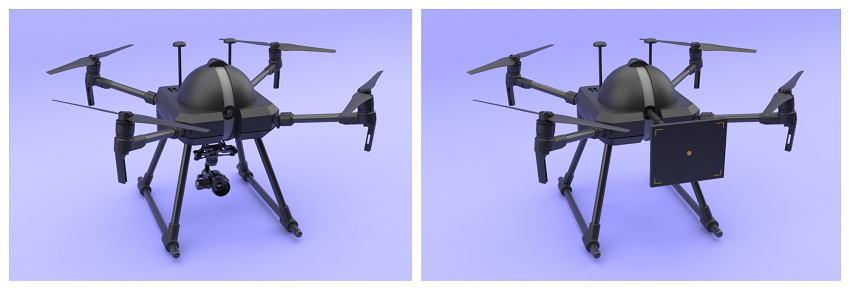
SpectX specialises in the development of autonomous drones. It is developing an advanced new system specifically for the IBIS project. Two unmanned drones, flying in synchronisation, scan every centimetre of a wind turbine blade. They do this using X-ray technology. The radiographic images from the scan are then analysed using AI coding.
Digital twin modelling
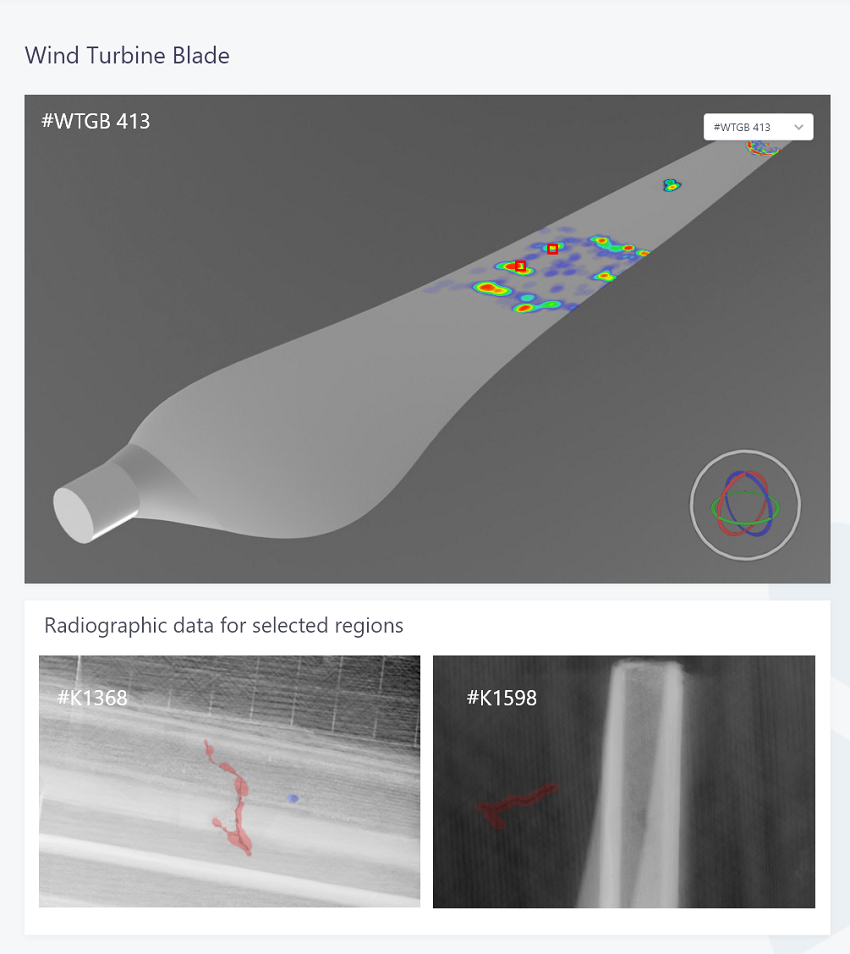
This is where TNO deploys its knowledge of so-called digital twin modelling. TNO's team creates a fully digital replica of the turbine blade. In doing so, TNO takes into account all the factors of the physical blade. For example, the replica knows what environmental loads the blade is exposed to, such as wind gusts and other forces of nature.
Determine life expectancy of wind turbines
By importing and interpreting the data from radio scans using an AI algorithm in combination with the load data, TNO can predict blade life much more accurately. In this way, it is possible to maximise the performance of the wind turbine over the years.
Minimise human risks and errors
The IBIS project promises to bring several benefits to wind farm operators in the near future. There are significant savings in costs and time. It also drastically reduces safety risks. This is because physical manual inspections with time-consuming and complex techniques at height can be avoided more often.
Combination ensures profit
The project is yet another proof that the collaboration of human innovation and AI-driven technology leads to the optimisation of performance and sustainability. The IBIS project, a collaboration between TNO and SpectX, was made possible with funding from TKI Offshore Energy.
Source: TNO
Illustrations: SpectX
More and more is possible with drone technology. Also read the article UMCG joins Medical Drone Service. UMCG wants to use medical drones to deliver healthcare at the right place and time.











