
The European Commission wants to pour billions of euros into supporting the European automotive industry. The money is intended, among other things, to boost innovation and raw materials to produce batteries for electric vehicles (EVs) within the European Union (EU).
This was announced by European Sustainable Transport Commissioner Apostolos Tzitzikostas. Tzitzikostas this week presented an action plan to secure the future of the European car industry. Among other things, the European Commission wants the sector to become less dependent on imports from abroad.
Northvolt, for example, is the only major battery manufacturer in the European Union. However, the company is facing severe financial problems and last year filed for Chapter 11 reorganisation with the US government. Shareholders agreed early this year to allow the Swedish company to continue operations.
Making raw materials for batteries available
The European Commission is releasing a total of €1.8 billion to make raw materials available for battery production. This should make the EU less dependent on foreign countries in this field. At the same time, the European Commission wants the investment to support making the European car industry more sustainable.
It also wants to work with private partners to make one billion euros available for innovation within the sector by 2027. The focus will be on self-driving vehicles. Tzitzikostas reports that the investment should ensure that the EU innovates in this area. The European Commission wants the next generation of vehicles to not only be produced in the EU, but also powered by European technology.
The EU also wants to boost demand for EVs. Among other things, it is pushing for cleaner business fleets. It encourages EU member states to take actions to make commercial vehicles cleaner.
More time to meet CO2 targets
In addition, the European Commission is giving carmakers an extra two years to meet stricter CO2 targets that have been set. From this year, cars sold by carmakers in the EU were not allowed to emit more than 94 grams of CO2 per kilometre on average, according to the original plans. The current limit is 118 grams. Manufacturers exceeding this standard will have to pay a fine of 95 euros per gram of CO2 above the standard, per car sold. The fines could cost large car manufacturers millions of euros.
Electric vehicle (EV) sales can play an important role in reducing the average CO2 emissions of vehicles sold. However, due to disappointing performance in the EV market, many carmakers are not meeting the target. Consequently, according to an earlier analysis by Dataforce, which Automotive News reported in August, many carmakers were threatened with a multimillion-dollar fine. For instance, Volkswagen's average emissions were 125 grams, Ford's 123 grams, and Renault-Nissan-Mitsubishi's 114 grams.
Criticism
The stringent targets attracted a lot of criticism in the EU. Not only from car manufacturers, but also from several member states. The Czech Republic and Italy, for instance, marched together against the rules. In doing so, the countries argued that the money carmakers risk spending on fines could be better spent on producing cleaner cars. They warn that the fines are actually counterproductive.
Eurocommissioner for Climate Action Wopke Hoekstra earlier told the European Parliament of the need to stick to targets. Among other things, to create a predictable investment climate for car manufacturers. However, Ursula von der Leyen, president of the European Commission, announced this week that carmakers will be given an extra two years to meet emissions targets. The deadline has been postponed to 2027, by which time manufacturers must still have reduced average CO2 emissions per vehicle to the set standards. However, the European Commission does maintain that from 2035 only zero-emission cars can be sold.
Author: Wouter Hoeffnagel
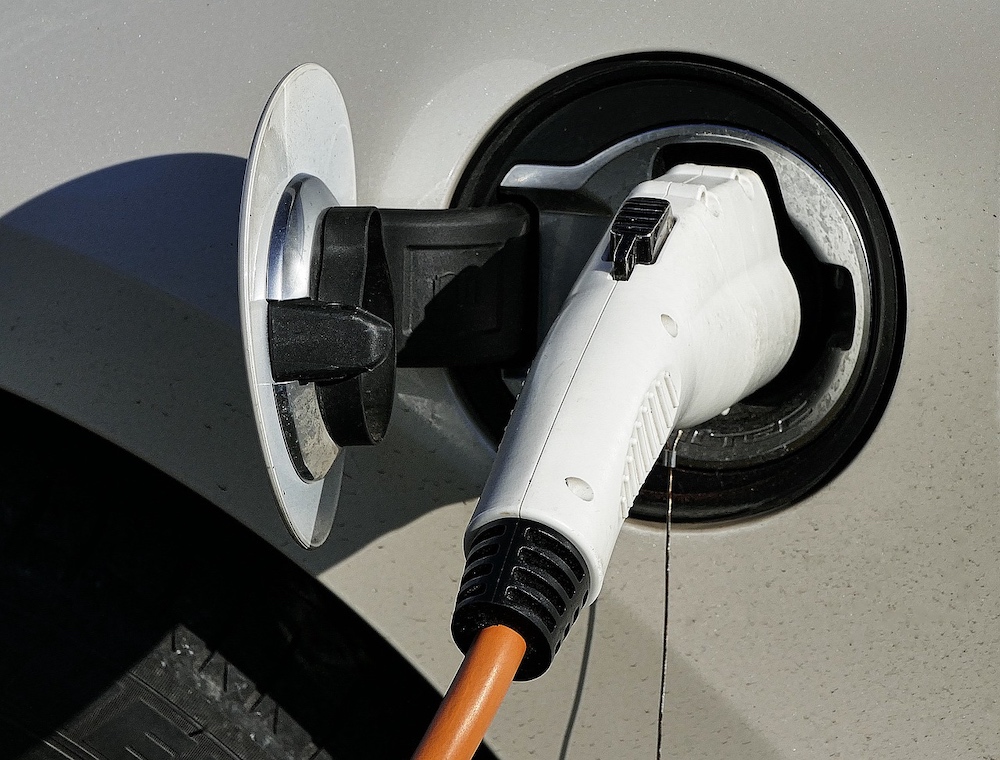
Photo: Wolfgang Eckert via Pixabay