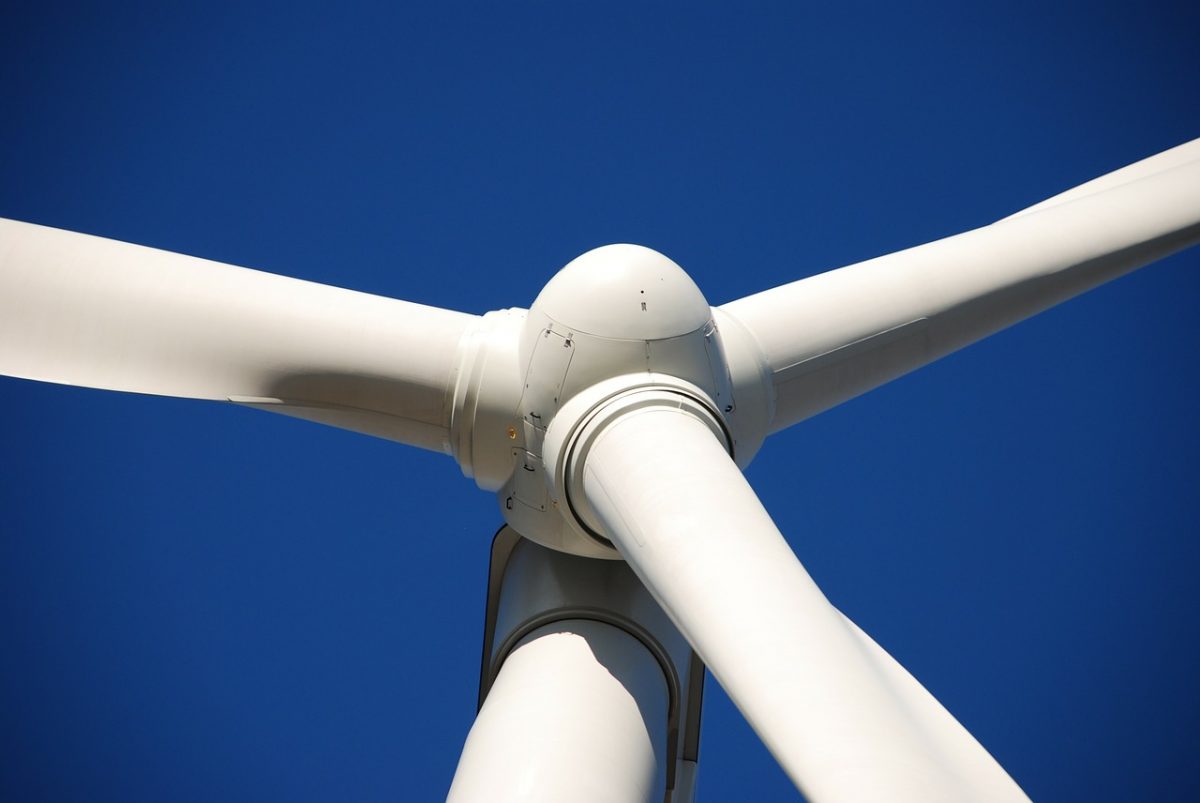

A plan for an energy hub in the North Sea has been approved by the Danish government. The plan should lead to an artificial island in the North Sea on which wind farms will be connected. The energy generated from these wind farms can then be transported to the mainland via the same cable.
Energy hubs can offer significant advantages when using wind energy. For instance, the energy generated by wind turbines depends, among other things, on wind power, which is not always the same and, in addition, can vary in different locations. Demand also varies. In some cases, this means production exceeds demand, while in others it is reversed. Energy hubs help accommodate these variations. For instance, the Netherlands can use Danish wind energy at the time when it is blowing hard in Denmark, or vice versa.
120,000 square metres in size
The Danish Energy Agency reports in a press release that the island is expected to worst at least 120,000 square metres. In the first phase, the energy hub should be able to supply around 3 million European households with renewable energy. In time, this should be increased to 10 million.
The island will appear 80 kilometres from the Jutland peninsula. Owned by a public-private partnership , in which the Danish state has a majority stake. With the energy hub, the Danish government wants to contribute to the integration of European energy networks.
Hub-and-Spoke concept
Plans for such energy hubs are not new. For instance, the North Sea Wind Power Hub consortium investigated possibilities for energy hubs in the North Sea. This involves the so-called Hub-and-Spoke concept, where wind farms are connected to centrally located hubs at sea. The consortium consists of TenneT Netherlands, TenneT Germany, Danish grid operator Energinet, Gasunie and the Port of Rotterdam Authority.
In mid-2019, the consortium presented the results of its research: the Hub-and-Spoke concept is technically and economically feasible. A wind power hub of 10 to 15 gigawatts could be the first step in the development of one or more hubs. These hubs will be interconnected with each other and with surrounding countries. The consortium asked Dutch, Danish and German governments as well as the European Commission to shape this development together with other stakeholders.
Denmark and the Netherlands entered into a cooperation agreement in June to strengthen their cooperation on climate and energy. This included offshore energy hubs. A TenneT spokesperson told news agency ANP that the energy hub now announced by the Danish government is not a result of the research it is conducting in cooperation with other parties. The spokesman calls it good that the Danes are starting to build an energy hub, as in the long run many energy hubs should be realised that are interconnected.
Author: Wouter Hoeffnagel











